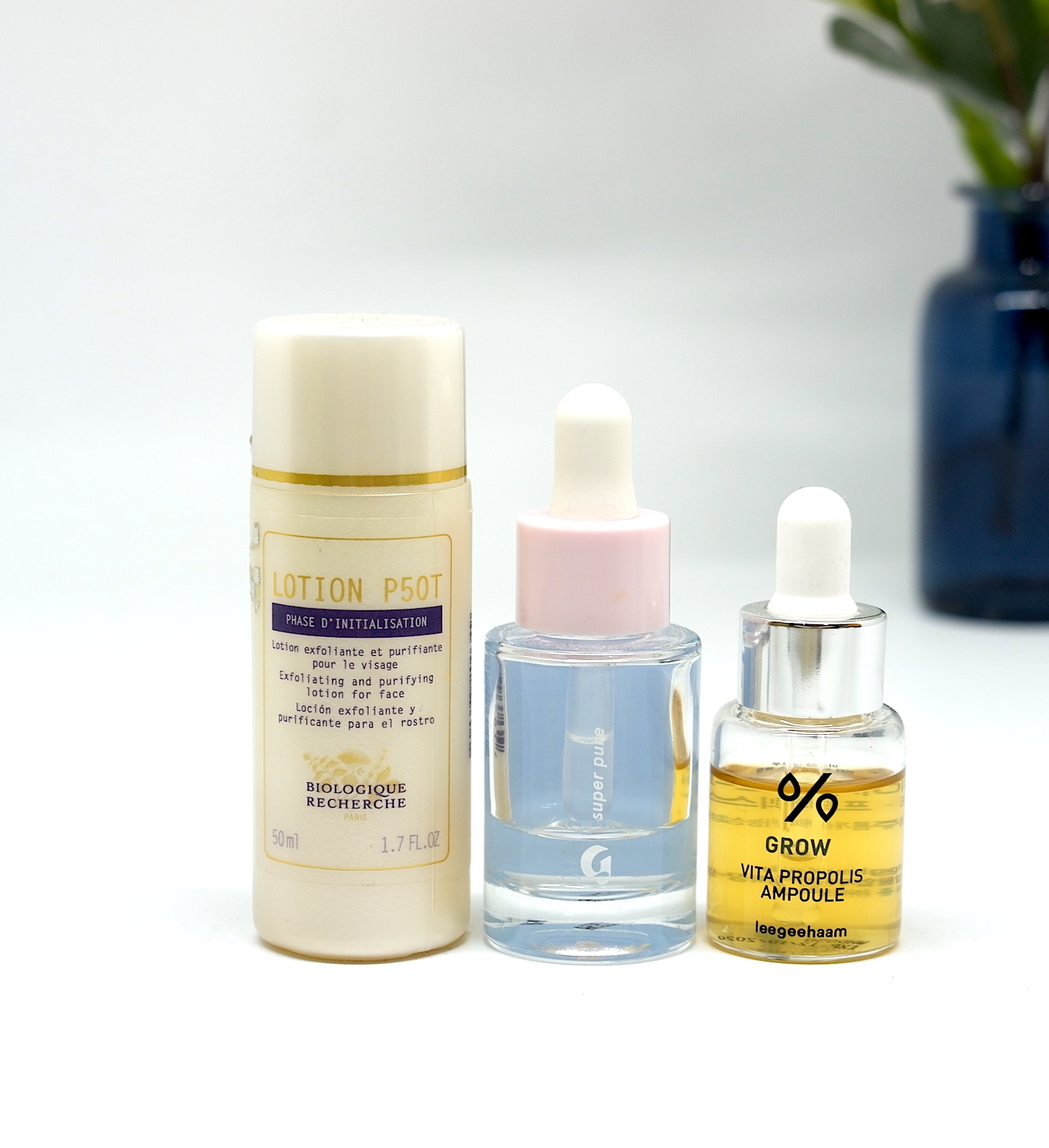
GROWN-UP SOLUTION FOR ACNE-PRONE SKIN

Since I’m not a teenager anymore (obviously!), I’m not treating my skin like one especially when dealing with acne.

From my own personal trial & error, ingredients that are comedogenic, like Butylene Glycol, Cetyl & Cetearyl Alcohol and Tocopherol (Vitamin E), are a big no no. And thanks to Dr Liv Kraemer (I’ve been enjoying watching her YT Channel), since I stopped using facial oil (even though they claim it’s ok for acne-prone skin, like rosehip and marula), I saw improvement on my skin’s texture. She said in one of her videos, if you have acne-prone skin, the bacteria on top would be trapped by facial oil, which actually formed more pimples.

Another surprising fact that I’ve found recently, Centella Asiatica will not help if you have acne-prone skin (thanks for this information, Dr Eche Idrus SpKK). Yes, Centella is effective in treatment of wounds and even for cellulites. But not for acne-prone skin, especially if they’re still raging like a bull.

So, with new information that I’ve got, I’ve sort of revamped my skincare regime, by selectively cutting out the above ingredients. Here are some new ones that have been taking over my vanity.
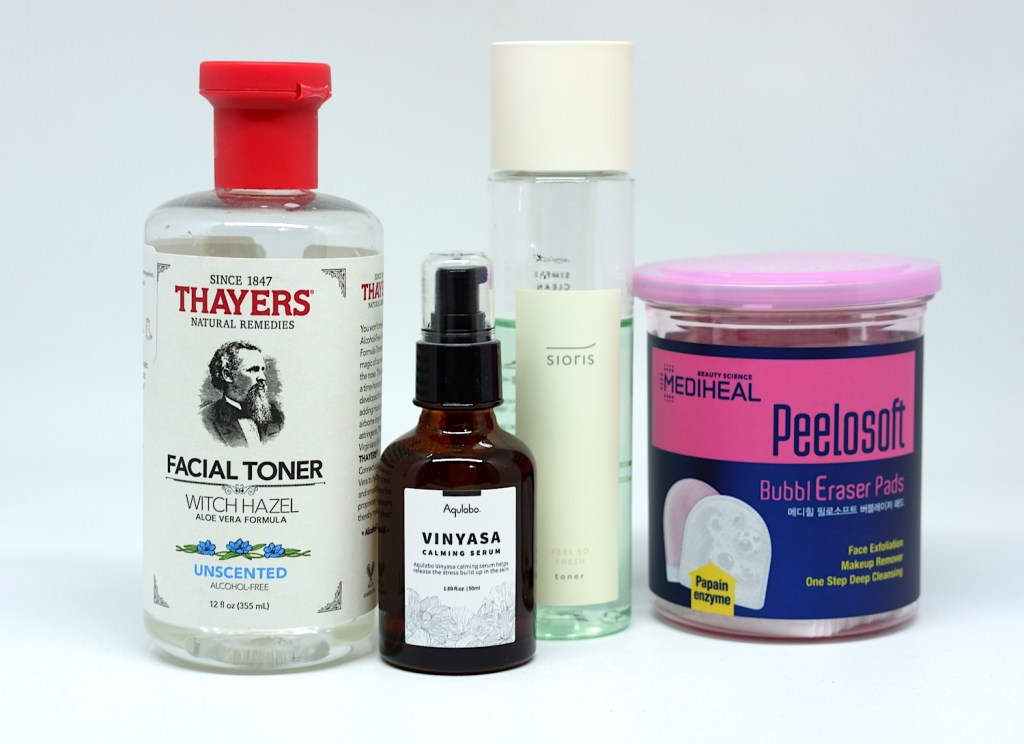
Thayers Toner for daily toner, Aqulabo Vinyasa for post exfo-toner, Sioris for mild exfo toner and Mediheal Peelosoft for disposable cleansing

And last but not least, taking vitamins. Trust me, I drank lots of Roaccutane before, but it felt wrong having so much chemical inside, so I decided to stop and switched to vitamins instead. Anyway, they’re vitamins. But, mind me, these vitamins didn’t fix my acne problem instantly, but I believe they’ll help from the inside since I rarely eat healthy foods. Disclaimer: I’m not coming from a medical background, I just wrote based on personal experience and what I’ve found all around the net.

Daily, I took two different vitamins. Two of vitamin B2 B6, and one vitamin D. Vitamin B2B6 is very popular skin vitamin when they came from, Japan. They claim that these vitamins combination will improve skin problems like skin irritation and acne. If vitamins are not your thing, you can also get this vitamin B intake from grains, soybeans, bananas and watermelon (which are known to have vitamin B6).

Now, for vitamin D. Also known as “the sunshine vitamin”, because you can actually get vitamin D while being exposed to the sun. But, since I rarely out in the sun (I am horrified of the heat and the after-smell), I supposed my body is lacking of vitamin D. Imagine to my surprise, when one day, I read that vitamin D deficiency maybe a part of what’s causing acne or making acne worse. When I asked Dr Eche Idrus SpKK about this, she said that vitamin D does have an anti-inflammatory property and in some cases can reduce acne. As we all know, milk and cheese are a great source of vitamin D (not too much or they’ll make acne worse). Unfortunately for me whose sensitive to lactose, I can’t choose to have dairy products as a replacement for vitamin D’s intake. And I believe my fungal-acne won’t agree with me if I’m sitting under the sun to keep acne at bay. So the only choice for me, is this Vitamin D.

Summary:

  • Know what ingredients work well on your skin
  • Stay away from facial oil
  • Take the right vitamin(s) for your skin
  • Drink lots of water, infused ones if you are not a heavy fruits and vegetable eaters.

PHOTOS: SHINTA ROSVITA
FIRST ENCOUNTER WITH VITAMIN A

Took a very long time for me to jump into this Vitamin A aka Retinoid, Retinol stuffs. I was super afraid that it’ll react badly, as some people with sensitive skin like me will purge (even though I don’t believe in purging, but having massive acne attack will not be a walk in the park).

Really, what can vitamin A do?
It’s like a mediator to our skin cells, because it attaches to them and sort of like telling them to behave, by speeding up the turnover. So usually, if our skin regenerates in 28 days, vitamin A will speed them up and cut the days in half. Not just that, it supposedly thicken the dermis for younger and glowing looking skin and improves hyper-pigmentation, acne, large pores and wrinkles. Sounds like a true champ, yes?

WHAT TO CHOOSE? RETINOL OR RETINOID?
Well, both are actually vitamin A derivatives. But, retinoid is essentially a basic term for over-the counter retinol and prescription retinoid. Usually, retinol contains a lower concentration, while retinoid have much higher ones. So, you might see slower result when using retinol compared to retinoid.

So, after a long thought and online research, I decided to purchase retinoid over retinol.

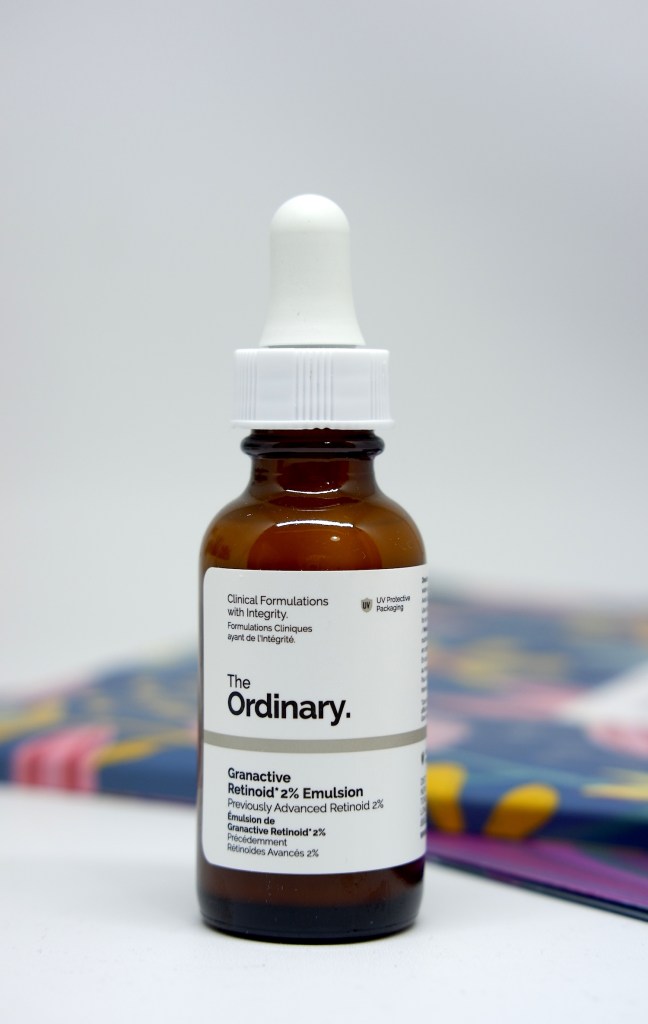
THE ORDINARY GRANACTIVE 2% RETINOID EMULSION

Yes, the good ol’ The Ordinary. This is a water-based serum with a high concentration of two next-generation of retinoids (claimed to be more effective than the standard ones). I purchased this for its’ claim to be a non-irritating retinoid serum.

I didn’t see significant and instant improvement the morning after, but anyway, I don’t believe that one product can do such. And because I do have acne-prone skin (they already put a caution in their website), I experienced a temporary increase in acne during the first two usage. Since I don’t believe in purging, it might be just forcing gunk to the skin’s surface. At least my skin didn’t get red, irritated or dry. I’ll update about my skin condition on my IG stories, so stay tune!

HOW I INCORPORATE THEM IN MY SKINCARE ROUTINE
Because I’m new to retinoid, I started by applying The Ordinary Granactive Retinoid 2% Emulsion once a week at night time to avoid irritation. After my triple cleanse (micellar water, cleansing balm, and facial cleanser), I use soothing toner, then I prepared my skin with ISNTREE Hyaluronic Acid Water Essence. I waited until they’re completely absorbed and dry, then I use about three drops of Retinoid for the whole face. I’ll wait about 5 minutes then finish with ILLIYOON Ceramide Ato Soothing Gel.

TIPS FOR RETINOL & RETINOID NEWBIES

  • Start slowly. Apply once a week first, then if your skin can tolerate (nothing bad happened), move on to every third night. And if your skin is totally fine with it, go for every night.
  • Always apply on completely dry (not damp) skin. Make sure your toner and essence already absorbed well.
  • Tone down with moisturizer (probably ones with Hyaluronic Acid) to minimize any irritation.
  • Don’t use them if you are pregnant or breastfeeding.
  • Never mix with Benzoyl Peroxide, AHA and BHA. This stuff is already potent by itself.
  • If you have sensitive skin that’s prone to irritation, start with retinol first because it’s less potent than retinoid.
  • Don’t forget to slather yourself with SPF the next morning after Retinol or Retinoid. These two are known to make skin more sensitive to sun. And don’t forget to do SPF touch up (every 4 hours if you use SPF 50 like me).
  • If you have raging fungal acne, don’t try this. Wait until your fungal acne is fixed, then you might want to use retinol or retinoid.

PHOTOS: SHINTA ROSVITA

STRESS ACNE: WTH?

Been in a very tough situation lately, I have to admit this is not a very good year for me. And I’m sure you’ve heard it everywhere, when you are stressed, so does your skin. Just look at my stress acnes!

I’ve been fighting them for about two weeks now, but I know I’m not alone. So I decided to do some research online and write down this post.

WHAT CAUSED STRESS ACNE?
Obviously, STRESS. And if your skin is already acne-prone, stress can make acne worse. You see, hormones released and produced during stress will increase further skin inflammation. And for some people, stress will vigorously make them pick at their acnes which can cause bigger problem like scars and such.

WHAT DIFFERS NORMAL ACNE & STRESS ACNE?
I personally believe stress acne is redder than ordinary ones, and doesn’t necessarily have pus in it. Sometime, it formed a painful cyst too. And also what I personally experienced, stress acne will show up on areas you’ve never had acnes before. I also experienced more blackheads and whiteheads.

HOW TO MANAGE STRESS ACNE?
Seriously guys, if I told you not to stress over it and stay calm, you’ll kill me, right? I tried to manage my stress first, by hanging out with friends and trying not to bring work problems home. So, find your chill first, then try to handle the stress acne. First, drink more water, less caffeinated & dairy drinks and alcohol. Then, do basics skincare like cleanse, tone and moisturize. Don’t overdo things like adding more unnecessary steps to your skincare routine. Or worse, do cleansing more than twice a day. Remember to stick to your basic routine and products.

MY BASIC SKINCARE ROUTINE DURING STRESS ACNE

FACE CLEANSER: DRUNK ELEPHANT PEKEE BAR

This stuff is MAGIC in a bar form. It’s fragrance and soap-free, doesn’t contain any essential oil and have honey in it (you know how I love honey).

TONER: SIMPLE KIND TO SKIN SOOTHING FACIAL TONER

The name said it all. It is a soothing toner, feels and looks like water. I’d recommend to stay away from exfoliating toner when your skin is stress. Choose a hydrating toner that’s light and alcohol free.

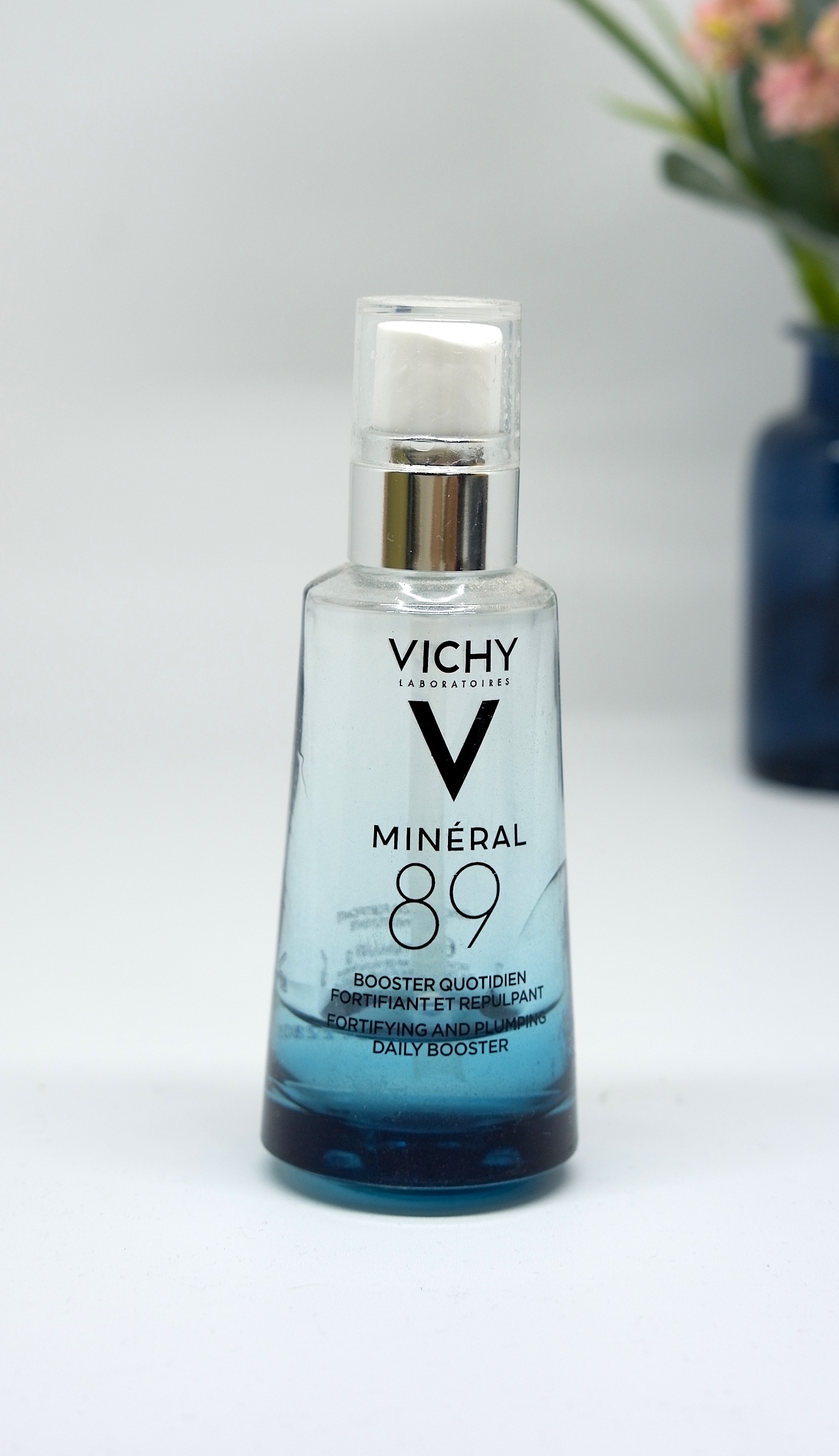
SERUM: VICHY MINERAL 89

Why 89? Because it does contain up to 89% of natural origin Hyaluronic Acid. This will protect skin from pollution, stress and fatigue. And I chose hydration serum during my stress acne period, rather than my regular Niacinamide or vitamin C serum (it’s like taking a break from the hard stuffs). I also skip moisturizer after this, just because I feel this already helped with the hydration.

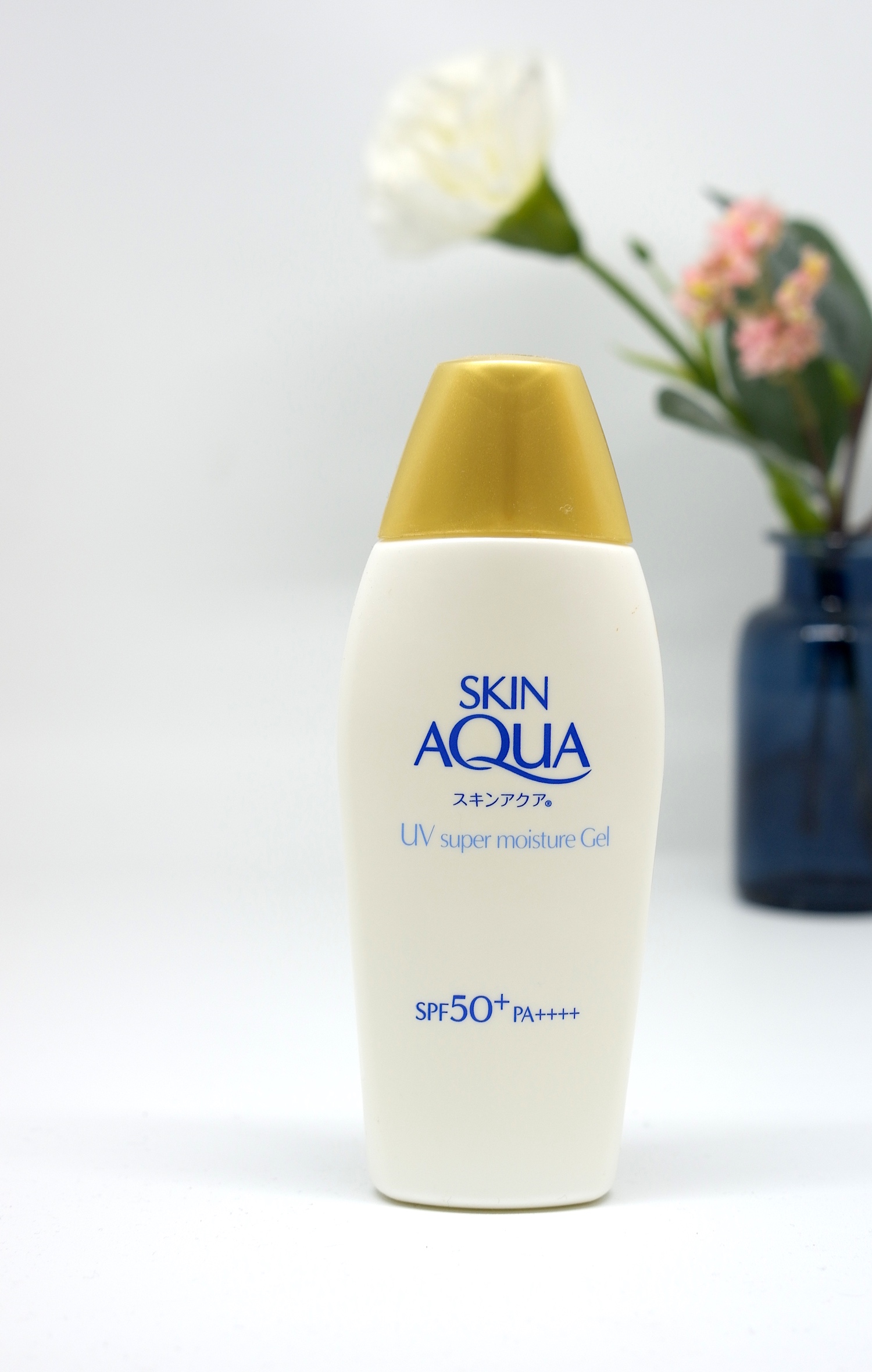
SPF (AM ROUTINE): SKIN AQUA UV SUPER MOISTURE GEL SPF50+ PA++++

Long time favorite of mine. SPF in a gel form, easy to absorb, doesn’t leave any white cast and never broke me out. It’s super light in texture and good for makeup base too.

MORE TIPS:

  • Don’t overkill your stress acne with spot treatments, especially those with tough ingredients such as Benzoyl Peroxide or Salicylic Acid. Trust me, they will look worse (looks more red & irritated).
  • Instead, try to hydrate your skin as much as you can. Personally, I love to spray my face with Avene Thermal Spring Water during the day.
  • And also, try to touch up your SPF during the day. Usually, I reapply every four hours even though I stayed indoor most of the time. Because I wear makeup, I like to use Kose Suncut Protect UV Spray SPF50+ PA++++.
  • Double cleanse if you have makeup on. My all time favorite is Banila Co Clean It Zero
  • Stay clear from anything acid and retinol while stress acne attacked. Treat them first with tender, love and care.

PHOTOS: SHINTA ROSVITA
SIMPLE YET EFFECTIVE SKINCARE LAYERING

Some of you might asked, “Do I need 10 steps?” Girl, it’s so 2017!

Please do not be intimidated by contents out there with so many layering steps, if you do not have the time nor the budget to do so. Knowing your skin is the first best thing, then you can accommodate based on that.

My routine might not be the same as others and I don’t expect it to be. And I totally not recommend anyone to follow mine exactly. Frankly speaking, there are no such things as ideal steps. Remember, you know you best.

So, these are my steps of skincare routine:

ONE: CLEANSE

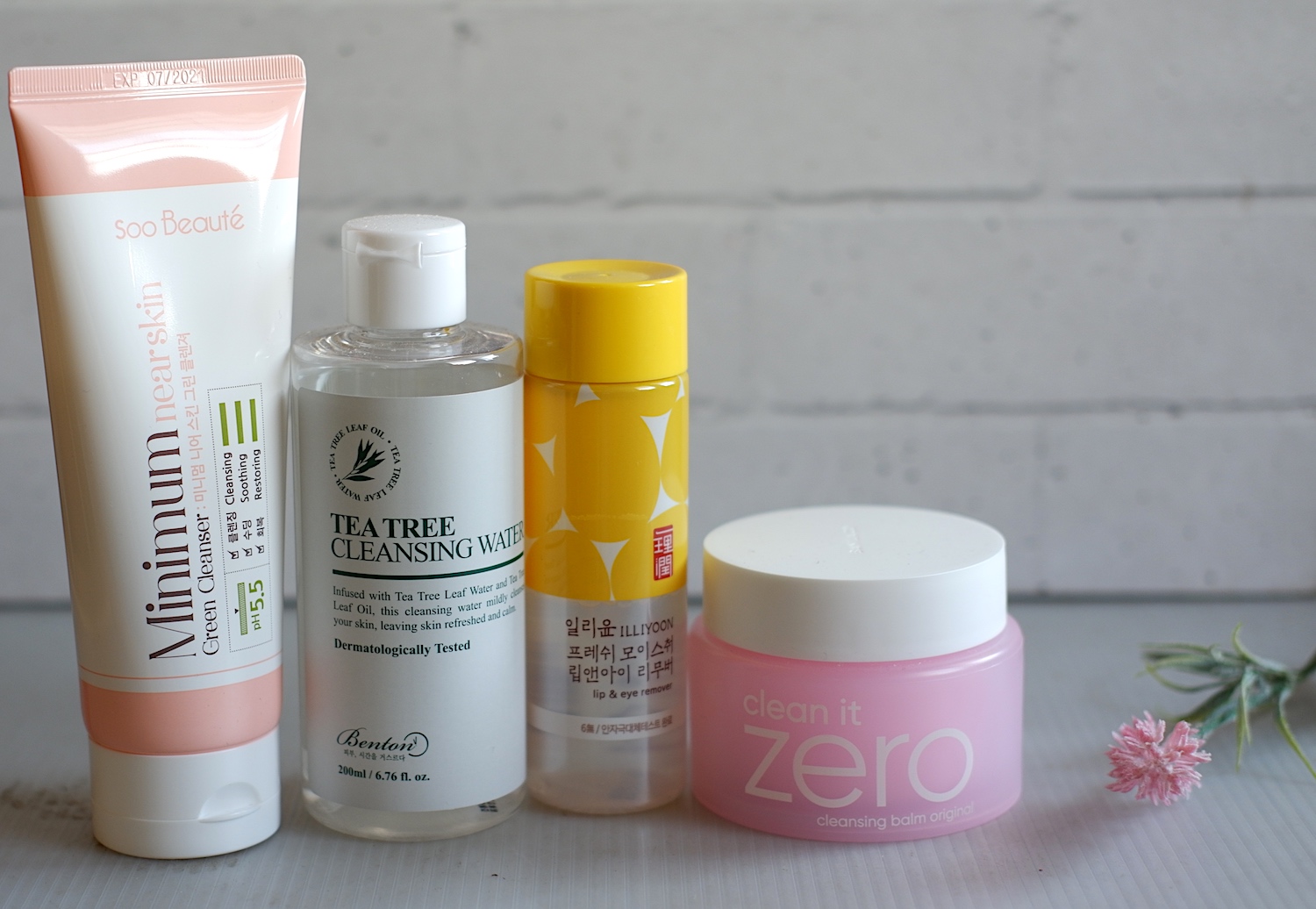
First, wipe off with Micellar Water for base makeup. Then Lip & Eye Make Up Remover. Wait till dry then move on to Cleansing Balm. Quickly emulsified the balm, rinse and wash it all away with Face Soap. At the end of the day, I felt extra clean after all of these.

TWO: HYDRATE

Never thought that I’d even consider this as the most important step in my routine. But it is, now. Hydrating Toner and Essence are my skin’s BFF.

THREE: TREAT

My skin is far from perfect, therefore exfoliating toner, serum and ampoule are still needed in my repertoire.

FOUR: MOISTURIZE

Never underestimate the power of moisturizing to seal the previous steps in. I try to stay away from cream and lotion for moisturizer, instead I opt for gel ones.

FIVE: PROTECT

Living in a city when the sun is blasting all year round, it’s impossible and sort of forbidden to skip this step in the morning.

For sure, morning and night time routine are different. Morning routine is simpler because all the cleansing hard stuffs will be happening at night to remove makeup. And night routine might require more steps, just because there’s more time to do so.

PHOTOS: SHINTA ROSVITA

FUNGAL ACNE GONE: NOW WHAT?

Dedicated to those who asked me on IG DM, “SHALL I STILL BE USING FUNGAL-ACNE SAFE PRODUCTS NOW THAT THE FUNGAL ACNE IS GONE?”

Well, first, disclaimer: I am not a dermatologist or skin expert. I’m only sharing based on my own trial & error.

Q: Shall I stay away (still) from skincare products with fungal acne trigger ingredients?

A: From my own experience, when it comes to wash-off products (only stay on skin for maximum 2 minutes), I’d go for non-safe fungal acne products.

Q: What kind of wash-off products are you talking about?

A: First cleansers are your best bet. Cleansing balm, Micellar Water, Lip & Eye Makeup Remover and/or Face Wash.

All of these are not safe for fungal acne, but didn’t trigger ones as long as used correctly

Q: How about other products?

A: Personally, I will stick to fungal-acne safe products for stay on skincare products (just to be safe), like toner, essence, serum, ampoule, moisturizer, and even for SPF. But if you are bored or simply just want to try other products, maybe you can try non-safe for fungal acne SPF, because it’s the last layer on skin and won’t absorb anyway.

PHOTOS: SHINTA ROSVITA

COMPARISON REVIEW: BANILA CO CLEAN IT ZERO & HEIMISH ALL CLEAN BALM

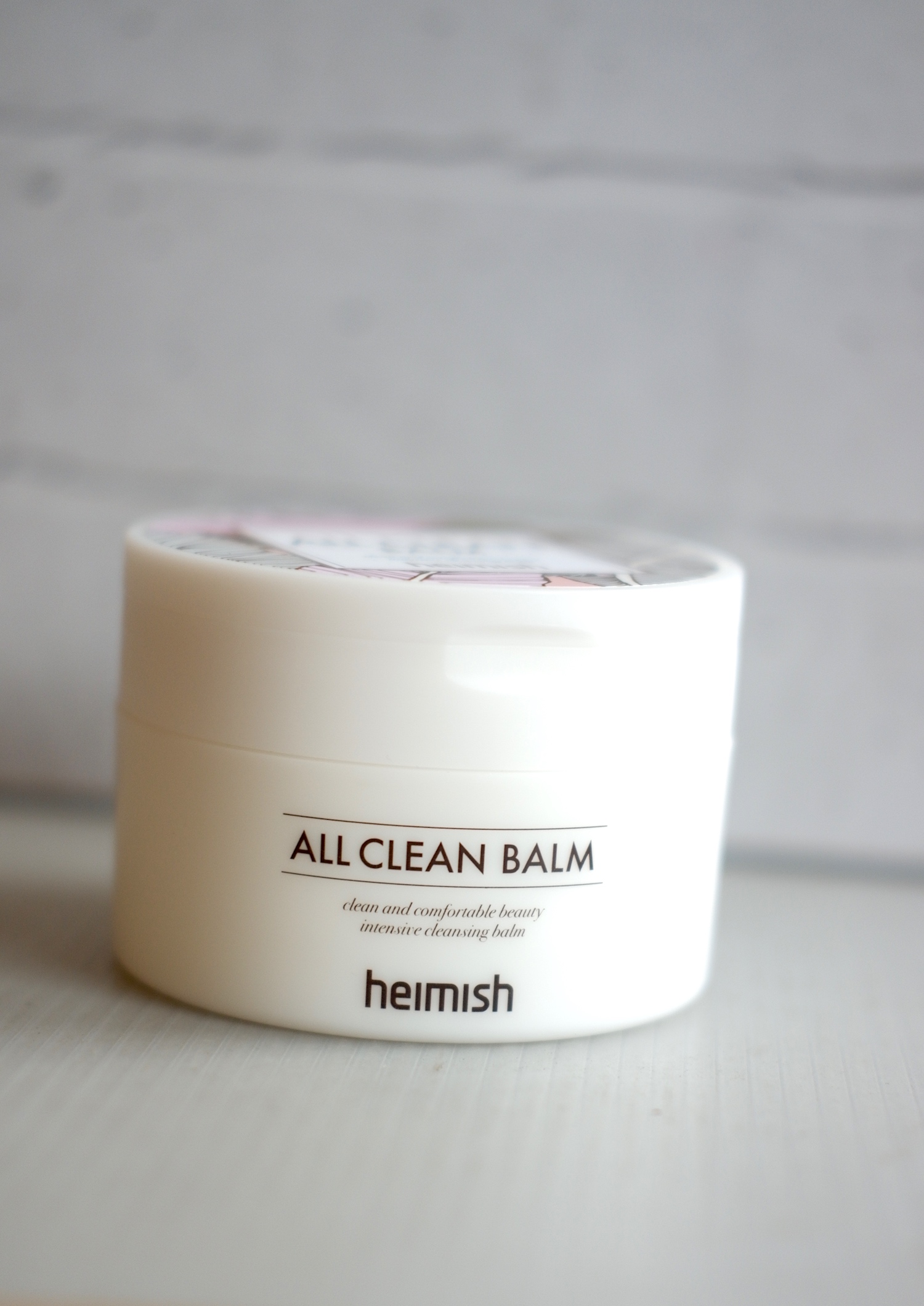
Haven’t found one cleansing balm that’s safe for fungal acne. And these two are also not safe, but at least they didn’t trigger my fungal acne. Usually, I use cleansing balm after my first cleanser, which is Bioderma Sensibio H2O. Then, quickly rinse off the balm residue and continue with face soap (currently using Drunk Elephant Pekee Bar).

I received Banila Co Clean It Zero as a PR gift, and this is the first time I’ve ever tried a cleansing balm as my first cleanse.

Heimish is the second balm I’ve purchased by myself. I’ve noticed that most cleansing balm (including these two) used Ethylhexyl Palmitate as their number one ingredient (which unfortunately known as fungal acne trigger). But as I mentioned previously, they both didn’t trigger mine. And I believe they cleansed perfectly, I rarely got cystic acne on my chin anymore after I triple cleanse with this.

SIMILARITIES

  • Both provided spatulas and lids.
  • They both turns into oil texture on dry skin, then emulsified into milk when rinse off with water.
  • Melt makeup easily, including waterproof mascara and eyeliner. Unfortunately they both caused blurry eyes.

DIFFERENCES

  • Heimish contains essential oils like Tea Tree Leaf, Lavender and Eucalyptus Leaf Oil. While Banila Co. didn’t use any.
  • Because Heimish used essential oils, it comes with visible scents (I smell tea tree and lavender the most). While Banila Co. have a slightly softer (like soap) scent.
  • Heimish has 33 ingredients on the list, while Banila Co only has 20.
  • Heimish is more solid and balmy then Banila Co. which have sorbet-like texture and more delightful to pick up.
  • Heimish has thicker oil when melted, while Banila Co. is more lighter.
  • The Jar. I love how Heimish came up with flip-top lid which is very practical, compares to Banila Co. twist-top lid.
  • The Lid. Heimish is more sturdy compares to the Banila Co. ones which is very filmsy and hard to pick up when you are in a hurry.
  • Heimish (IDR 190K for 120ml) is cheaper and contains more than Banila Co (IDR 232K for 100ml).

PHOTOS: SHINTA ROSVITA

SENSITIVE SKIN OR WEAK SKIN BARRIER?

So I’m sure we’ve all heard about both. But seriously, are they the same problem? Or are they like…connected?

Well, I did some research to write about this. First of all, I do believe I have sensitive skin, just because it’s easily irritated. So, if you are easily irritated, either by environmental things like sun or cold, and by topical products, you might call it sensitive skin.

Then, I did some more digging on the net. Turned out, our skin sensitivity actually has to do with the fatty outer layer of our skin. This fatty outer layer often called the lipid (fat) barrier with two functions: keeping the water inside and protect the skin from damaging factors like UV rays, wind, heat and harsh chemicals. Unfortunately for those who have sensitive skin, this barrier is usually weaker, thinner and more easily damaged. Therefore, thin lipid barrier can cause a variety of dermatological issues like acne and inflammation.

So, what to do now, you might ask?

  • First, stay away from harsh products and try not to overdo anything.
  • Wash your face strictly twice a day with gentle cleanser.
  • Do not over exfoliate, try to do it once or twice a week (max).
  • Use fewer products on your skincare routine. Trust me, sometime less is definitely more.
  • Stay away from alcohol (from the ingredients list), just because it might over-dried the top layer of the skin.

PRODUCTS TO TRY:

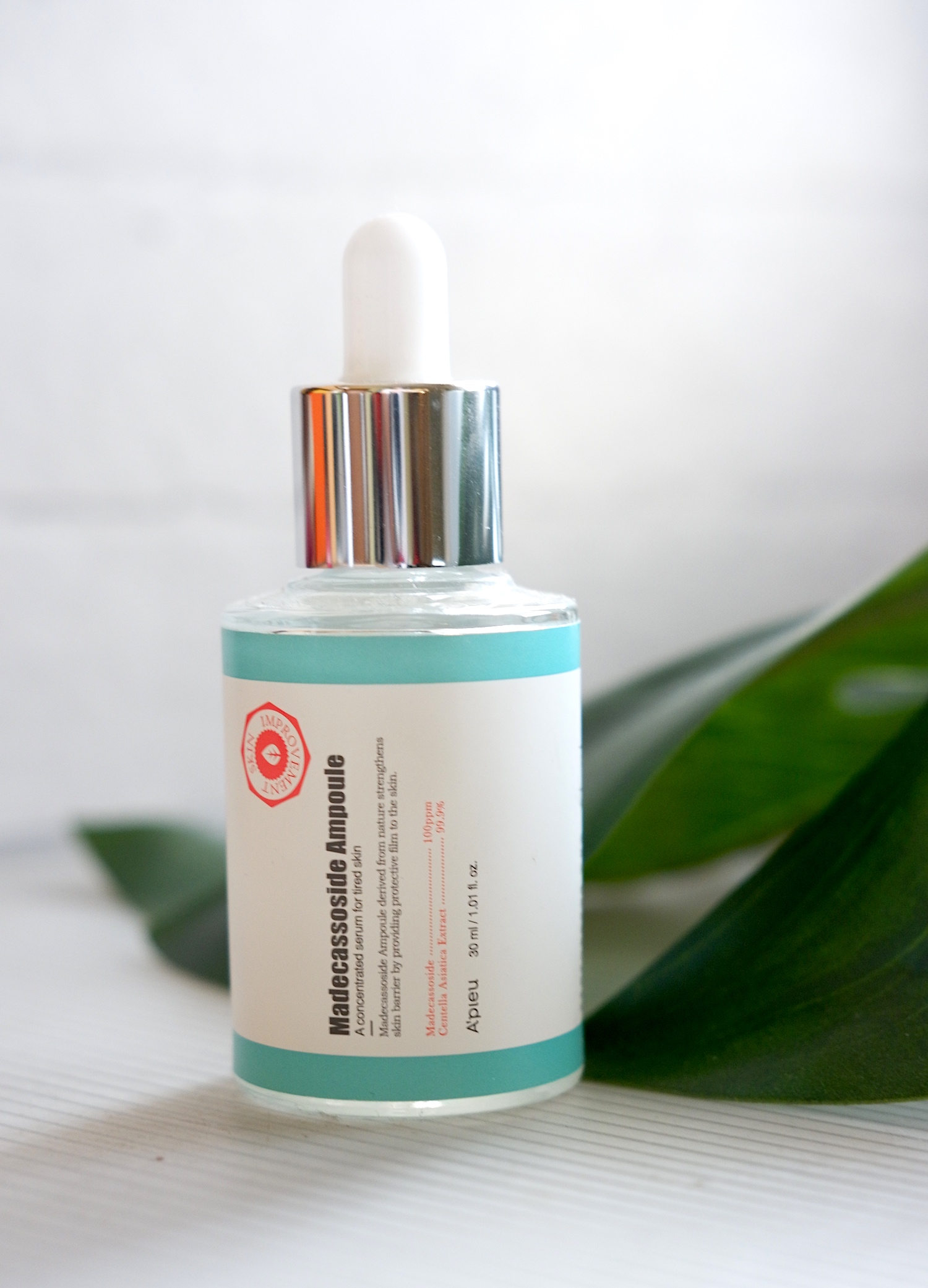
APIEU MADECASSOSIDE AMPOULE

I love this! Like whenever I over exfoliate or my skin feels uncomfortable, this will instantly calm down the redness and the bumps. Under-rated product that’s actually very damn good. Totally recommended!

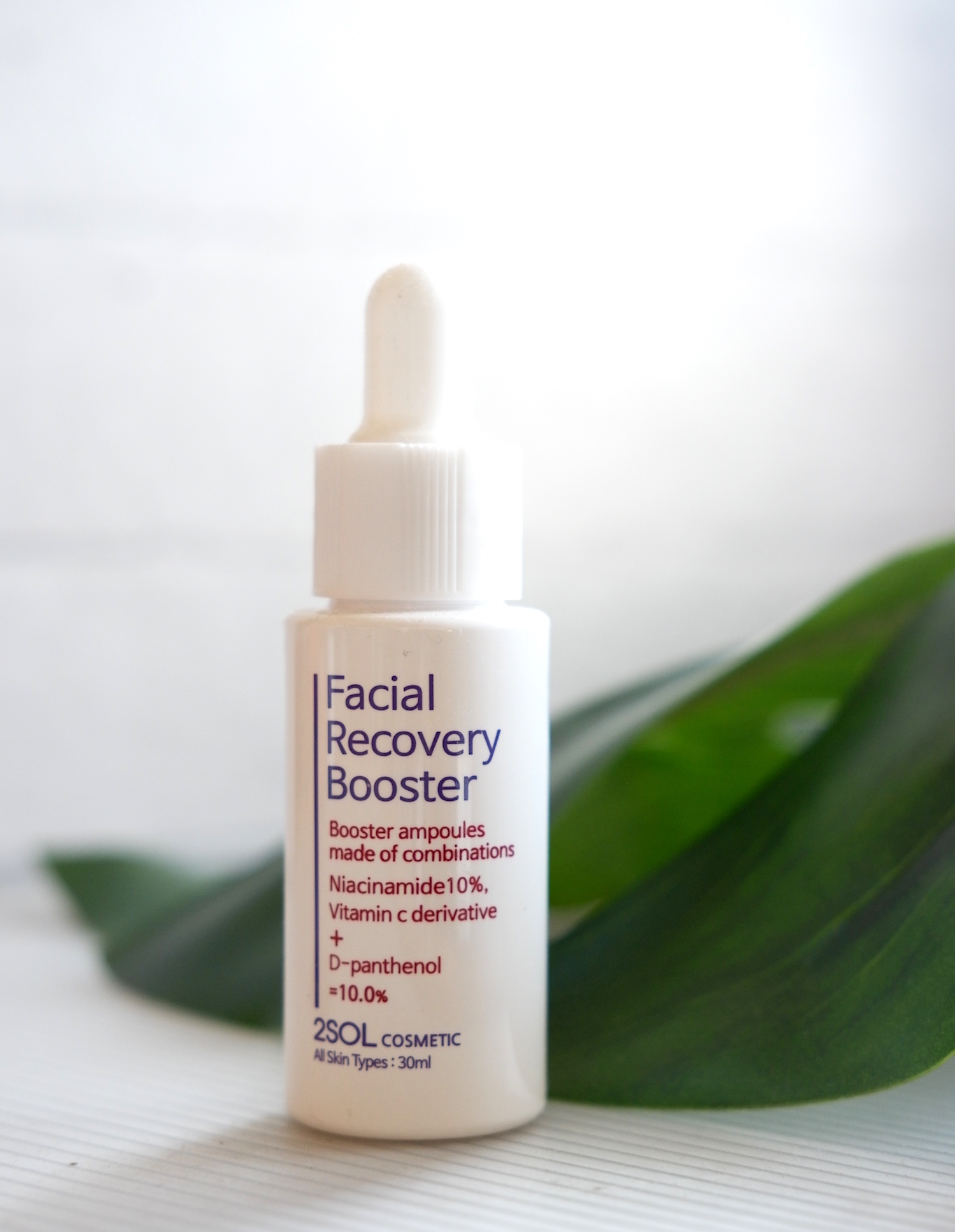
2SOL FACIAL RECOVERY BOOSTER

Panthenol (Vitamin B5) and Niacinamide (Vitamin B3) inside this will help improve the barrier function. It has 10% of each, so it will help prevent moisture loss, reduce dryness and strengthen skin barrier at once.

HEIMISH ALL CLEAN GREEN FOAM

Gentle cleanser with low PH, formulated with centella asiatica and witch hazel, which are widely known for their skin healing and soothing properties. I just love the gel-balm texture of this cleanser, and how it didn’t leave my skin feel tight after wash.

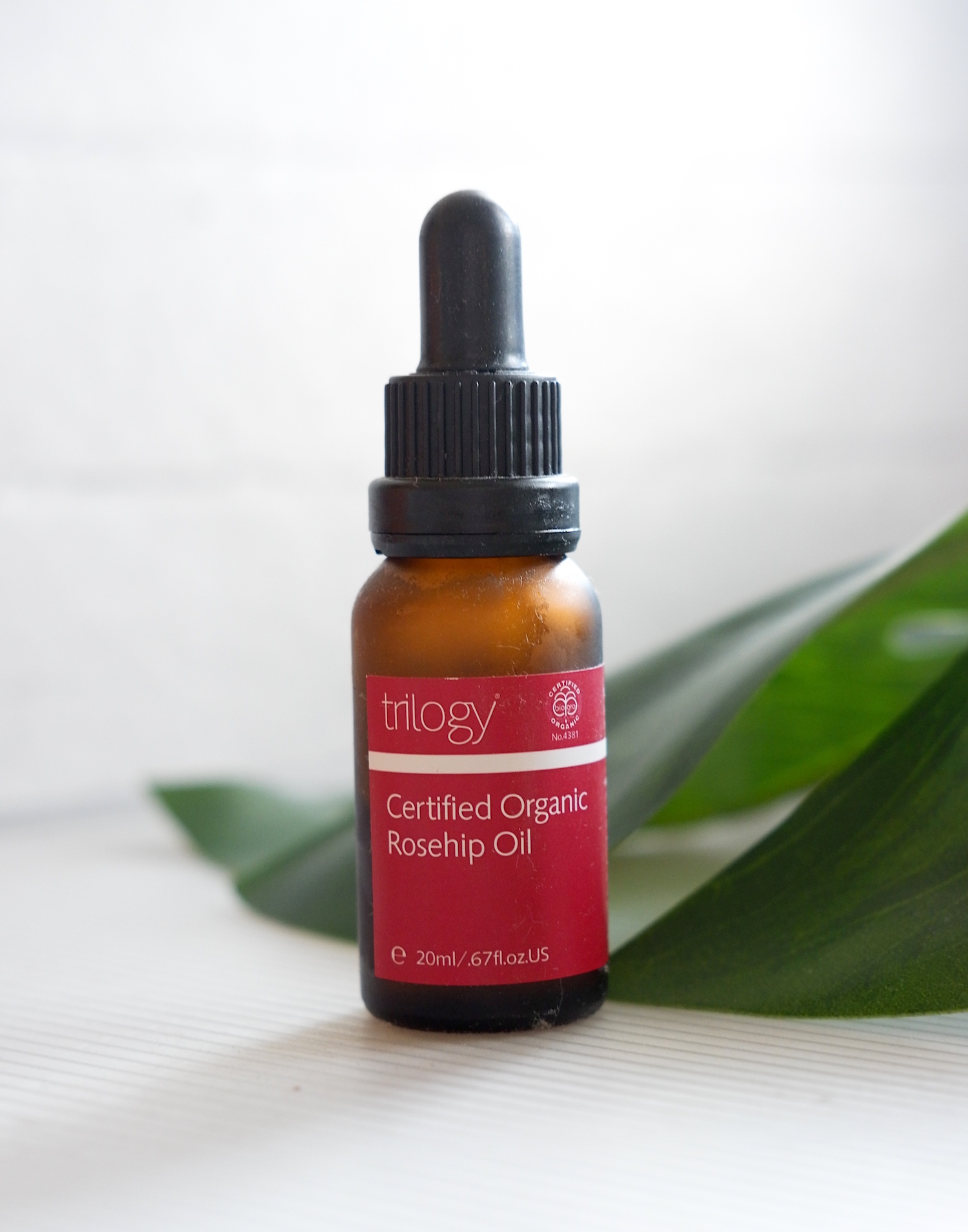
TRILOGY CERTIFIED ORGANIC ROSEHIP OIL

Try to incorporate facial oil to your routine and you’d be surprised. This specific oil contains powerful essential fatty acids that improve skin hydration. Bonus: it also helps to reduce scars and fine lines. Personally, I mix two drops to my foundation every morning. It adds glow and prevent cracks, while keeping skin hydrated all day long.

PHOTOS: SHINTA ROSVITA

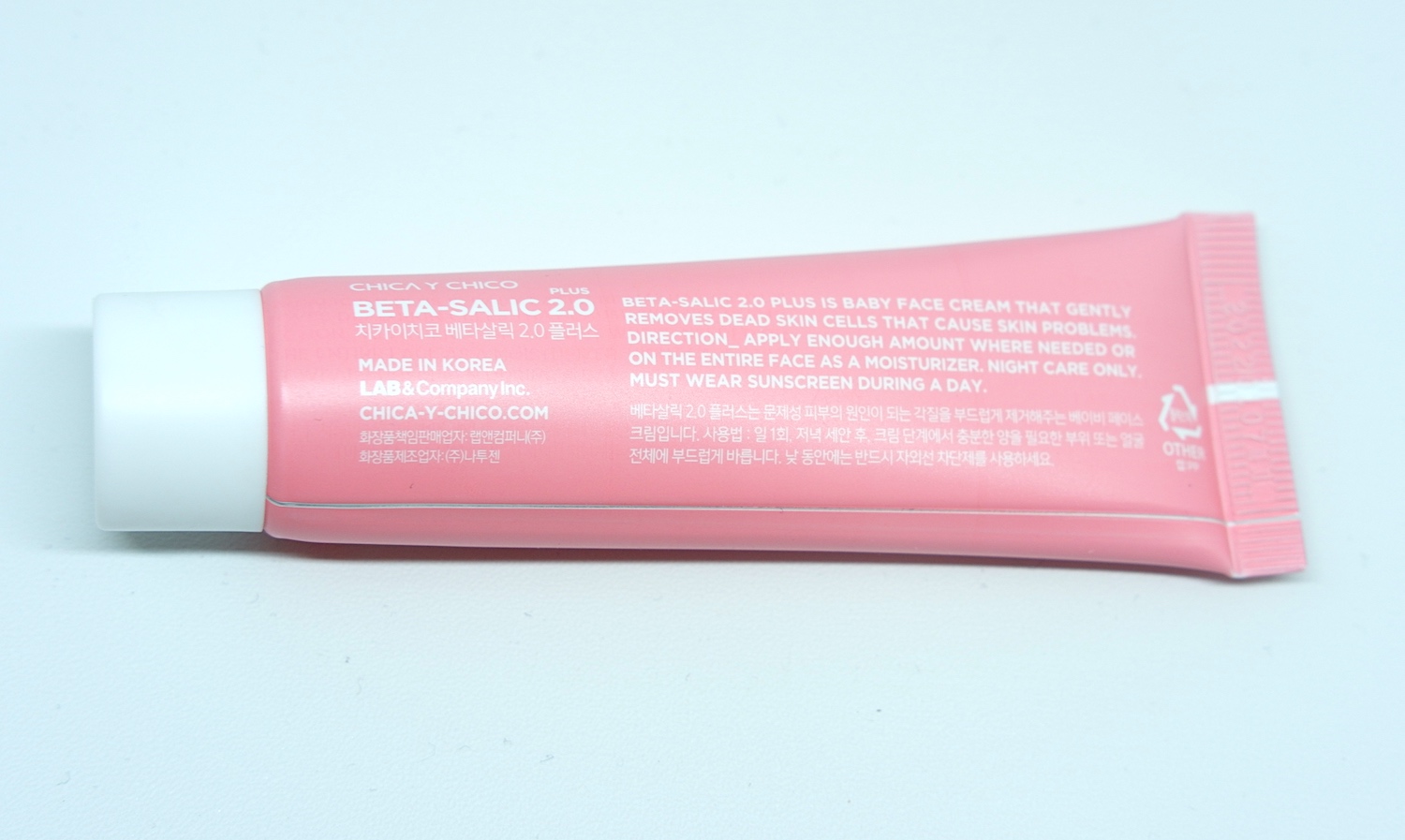
COMPARISON REVIEW: 23 YEARS OLD BADECASIL & CHICA Y CHICO BETA SALIC 2.0 PLUS

Before I go further to details, they are both not safe for Fungal-Acne.

If you do have fungal acne, I recommend to use these as spot treatment only. I only use these on blackheads, small bumps, closed comedones and some milias near my eyes. That’s it. I don’t put these on my hormonal acne, because they both didn’t seem to work on one. By the way, this is the newest version of Chica Y Chico Beta Salic 2.0 Plus Baby Face Cream with very instagramable pink tube.

THE DIFFERENCES

  • Badecasil has that old feel tube, while Chica Y Chico got that modern ‘now’ vibe.
  • Badecasil has 32 ingredients, while Chica Y Chico has 35 ingredients
  • Badecasil has Broccoli extract, while Chica Y Chico has Snail Secretion Filtrate.
  • No tingling sensation with Badecasil, but there’s tingling close to stinging with Chica Y Chico at the first use only. On second day, same spots, I didn’t feel anything. But it always tingle on new spots, so be aware.

THE SIMILARITIES

  • Both are made in Korea
  • Both come in a tube 30ml packaging
  • Both contain silicone
  • Both have 24 of the same ingredients, some familiar names like Glycolic Acid, Betaine Salicylate, Centella Asiatica Extract, Butylene Glycol, Sodium Hyaluronate, Jojoba Seed Oil and Allantoin (you can check the complete list on skincarisma.com).
  • Both are recommended to use at night time only
  • Both claimed to exfoliate dead skin cells and moisturize skin at once.
  • Both have the same milky white lotion texture

RESULTS:

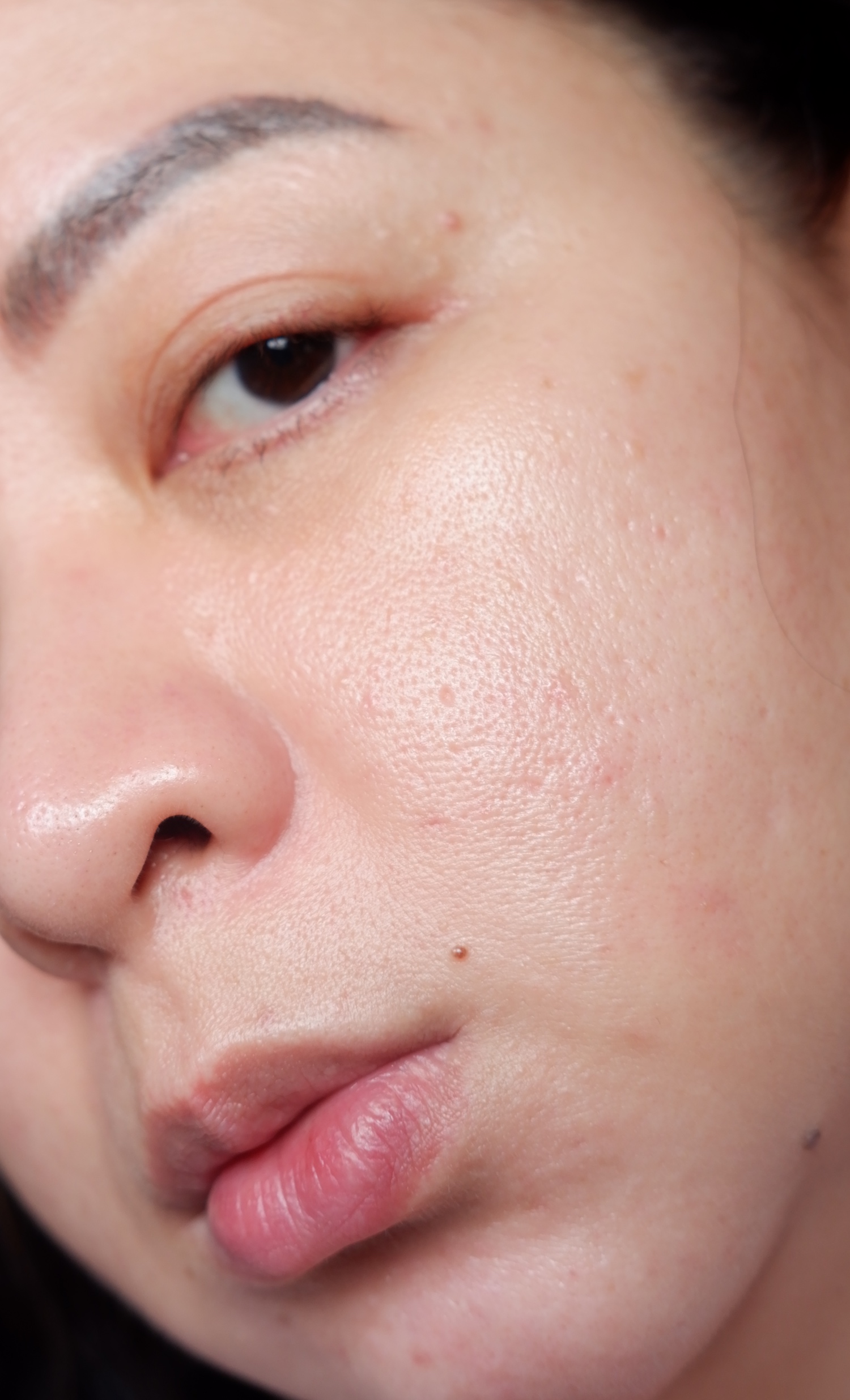
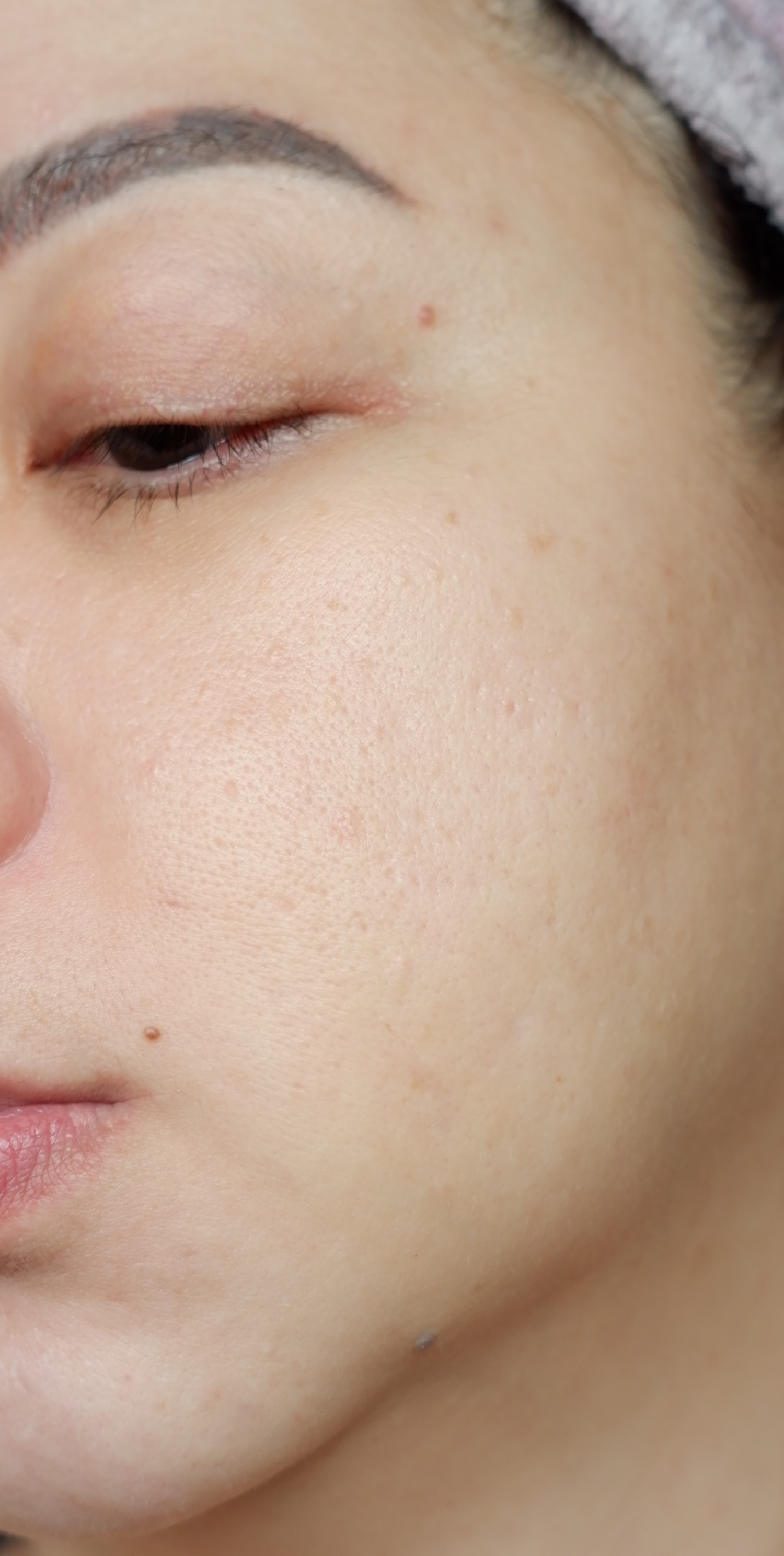
So I’ve tried both of them each by themselves for two weeks straight in a row with no pause day, just to show you guys these results on my skin. Please note that I was also using other skincare products before applying these (as each is recommended to use as final step of PM skincare routine). 

USING BADECASIL: NO IMPROVEMENT ON SMALL BUMPS
USING CHICA Y CHICO: FLATTER/LESS VISIBLE BUMPS

PHOTOS: SHINTA ROSVITA
NEW & INTERESTING NATURAL INGREDIENTS FOR SKINCARE

Frankly speaking, I am not an all-out green and natural skincare products seeker. I mean, I still believe in hard-core acids and stuffs. But, lately there are new and interesting natural ingredients on the skincare market. Thought I’d give it a shot.

HIBISCUS

Hibiscus is a beautiful flower and surprisingly has skincare benefits. It is one of the most powerful anti-aging plant actives, so it’s known as nature’s botox for its’ firming and lifting ability. This flower is also rich in antioxidants to help skin fight free radicals from pollution and UV. But please aware that hibiscus is a fragrant plant, therefore it might affect those who are sensitive to scents on your skincare product.

NONI

In Indonesia where I live, it’s not rare to drink the juice. But what do we know? Noni fruit extract is great for healing and rejuvenating skin due to its abundance of vitamins (A & C) plus antioxidants to protect against free radicals. One thing that interest me the most about one of the benefits is: Noni has antibacterial and anti-fungal properties! Whoa! It might be good for fungal-acne, no?

EGGPLANT

Again, where I live, people will eat cooked eggplants (though I don’t like it). I know it’s a healthy food, but little that I know it’s full of vitamin C. And when I did research for eggplant on the net, it contains ‘lupeol’ (some kind of substance that’s highly effective on problematic skin). It’s also antibacterial and anti-ageing. Pretty potent veggie, right?

PHOTOS: SHINTA ROSVITA
IF YOU HAVE FUNGAL-ACNE, ‘BE FRIENDS’ WITH THESE INGREDIENTS

SULFUR

Known for its antifungal and antibacterial properties, you’ll easily find this ingredient in the treatment for acne and such. If you can stand its’ distinct scent, that’s great, because it does work to get rid of fungal acne.

PROPOLIS

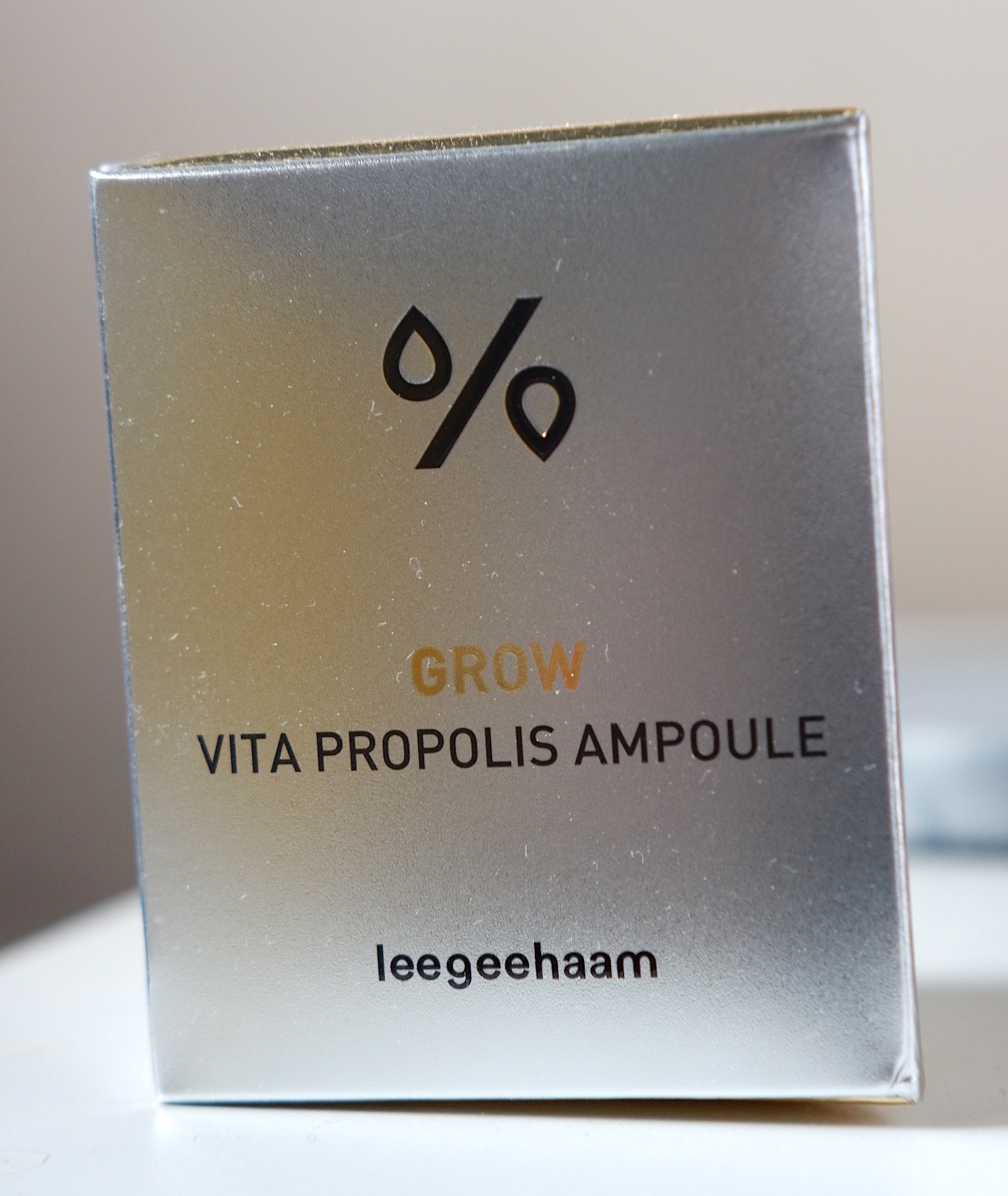
I read in simpleskincarescience.com that there are studies that showed that propolis extract exhibits antimicrobial activity. And I love how propolis does give a glowing effect on skin.

KETOCONAZOLE

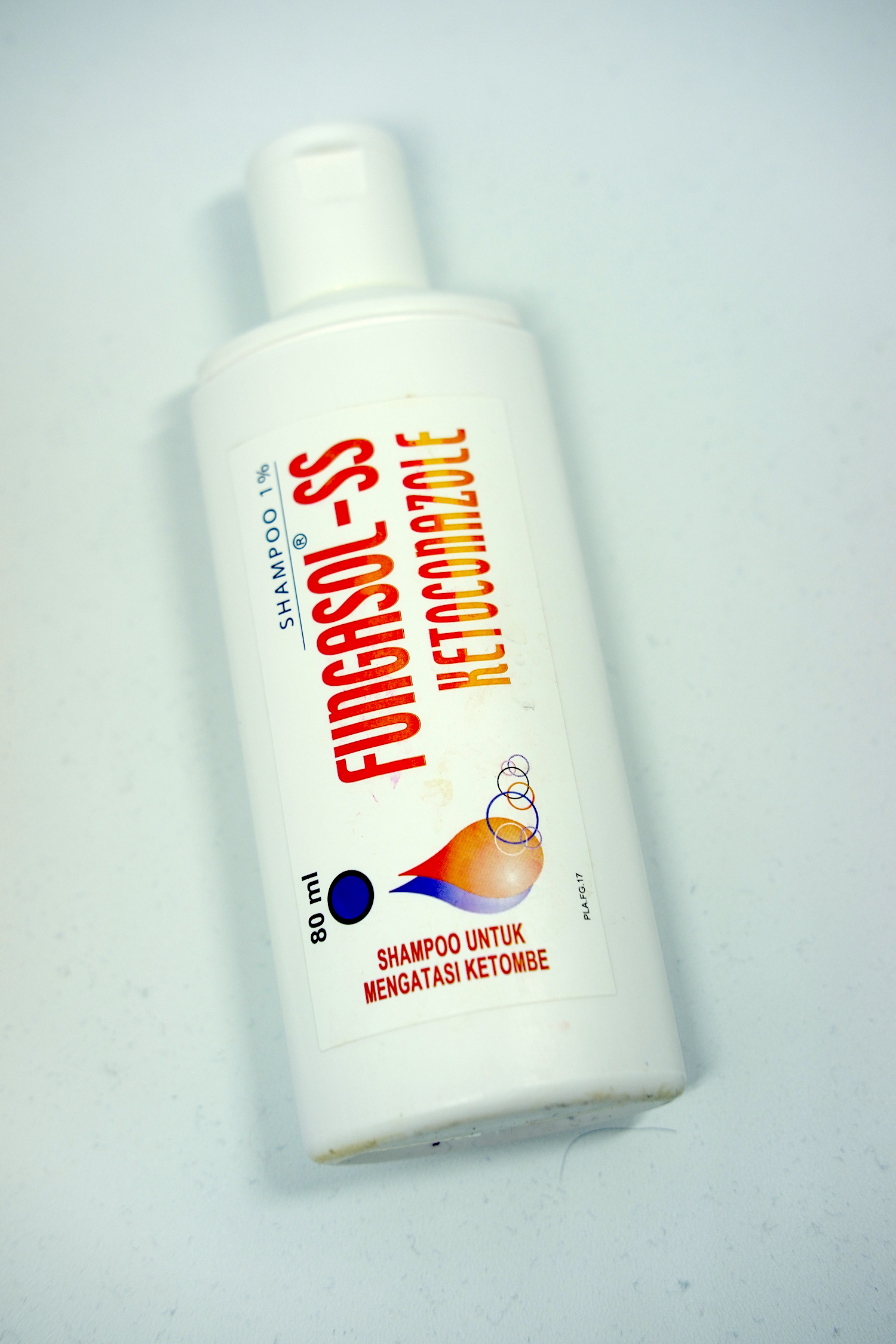
Unfortunately, this ingredient mostly came in a shampoo form. But no worries, you can use this shampoo as a 5 minutes wash-off face mask. Compared to other antifungals, like Zinc Pyrithione, Ketoconazole is the champ.

TEA TREE OIL

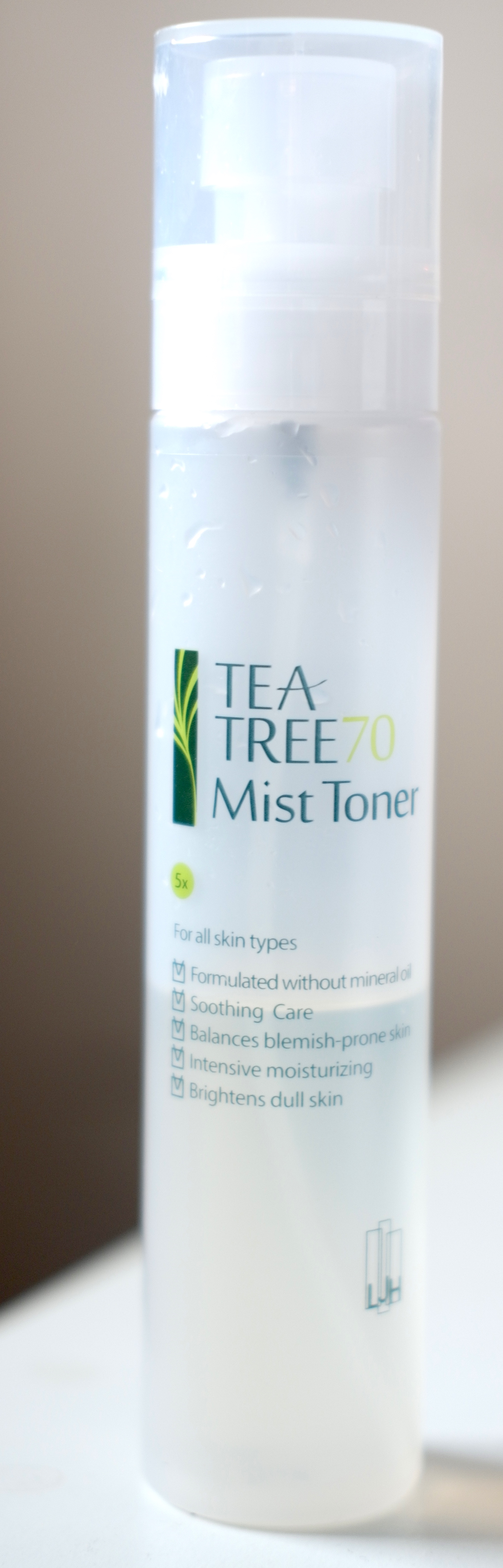
Tea tree oil has strong antimicrobial properties against Malassezia aka fungal acne. Personally, I tried to stay away from the oil per se, just because I found it too thick and might irritate my sensitive skin. So I chose product that actually contains one (it’s diluted with other ingredients).

PHOTOS: SHINTA ROSVITA