If you wondered why, well…I just had my Botox again after 5 years of Botox hiatus (watch my previous experience, here).
So what shall we do after Botox? Except the ordinary stuffs like don’t lie down for the next 6 hours, they told me not to use any exfoliants for 14 days. What?! No retinol, no BHA, no AHA for two weeks? Can my skin handle it?
Guess not! I gave up on day 10, LOL. WHY?? Scroll down and you’d know.
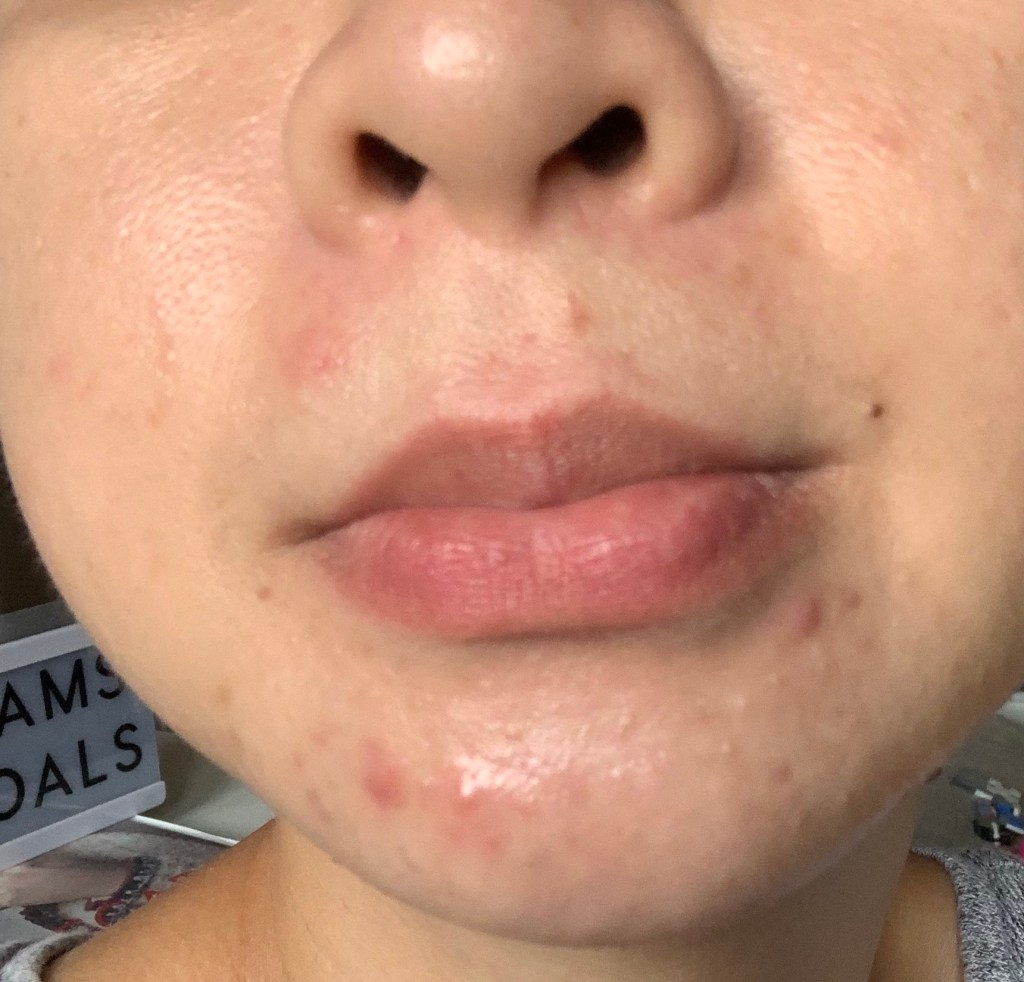
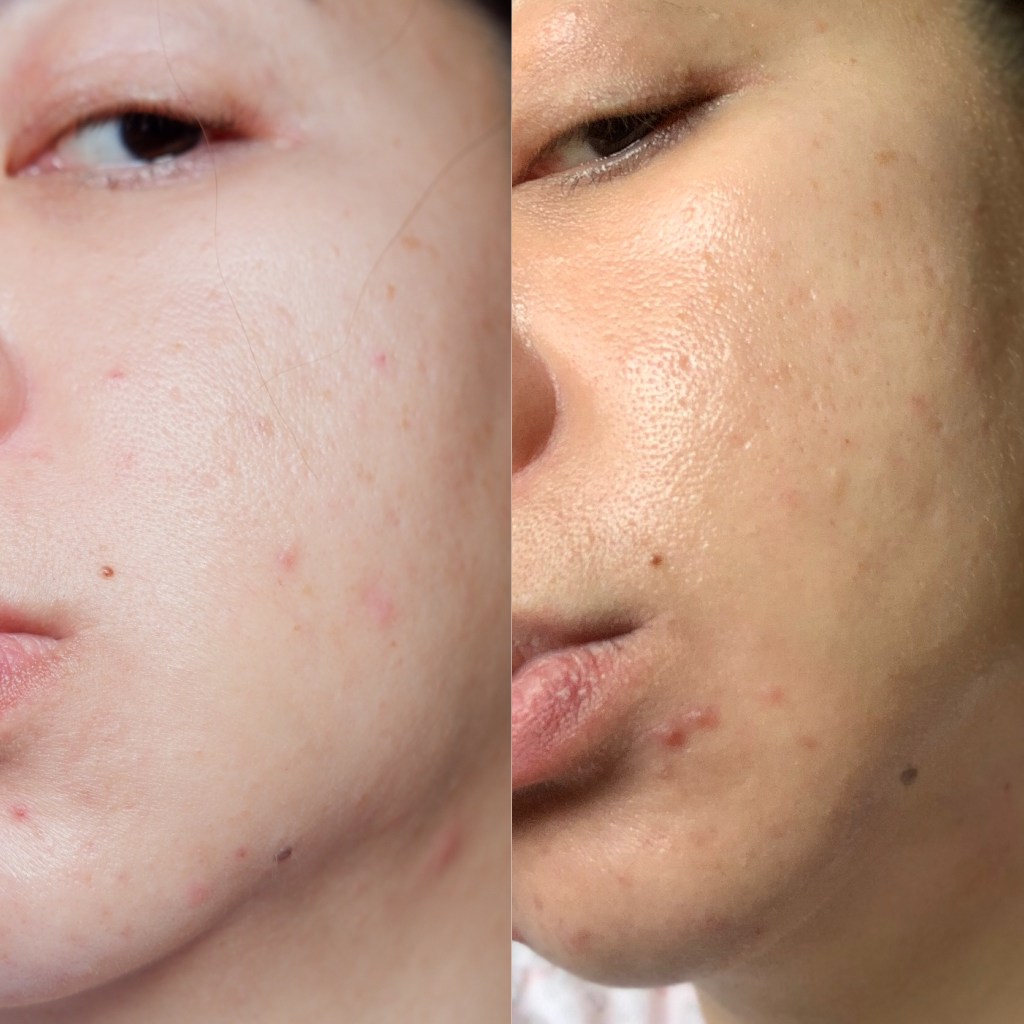
Day 1 (after botox treatment)Day 10 (result of exfo fasting)
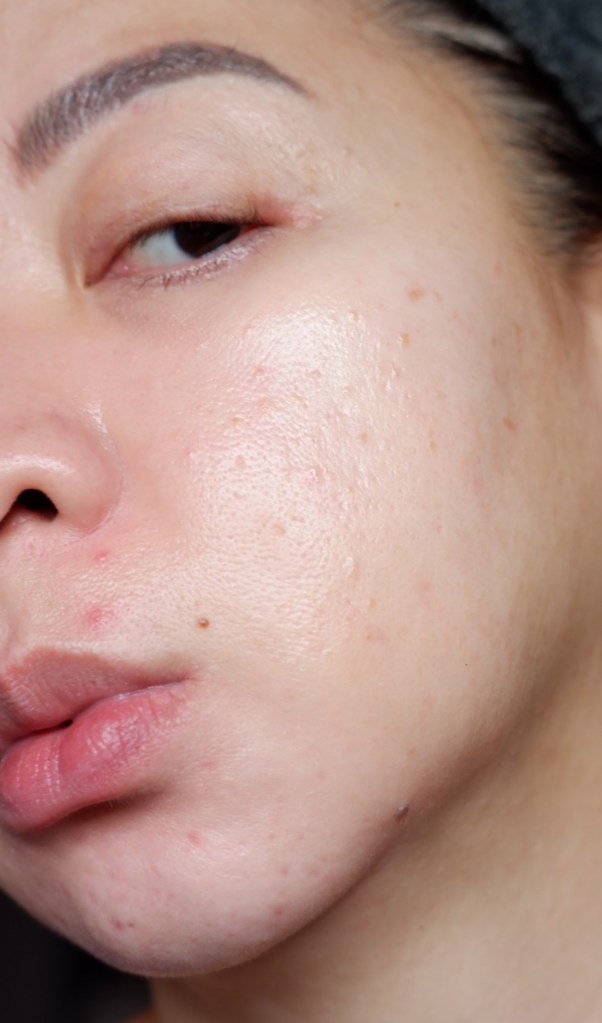
As you can see from both before and after pics as my evidence. Pores were clogged heavily and I could feel that bumpiness on my skin textures. Just like the days before I met my Retinol.
AUGUST 2020, before RETINOL
So, moral of this post is: EXFOLIATING your skin is super important. But as always, know your skin and their ability to handle exfoliant. Some might need it every day like yours truly but some might not. Remember, you know your skin best.
For now, I decided to start my exfoliant again with gentler acid, Azelaic Acid, not my usual Adapalene and Tretinoin. More on Azelaic Acid, so stay tune for the next post.
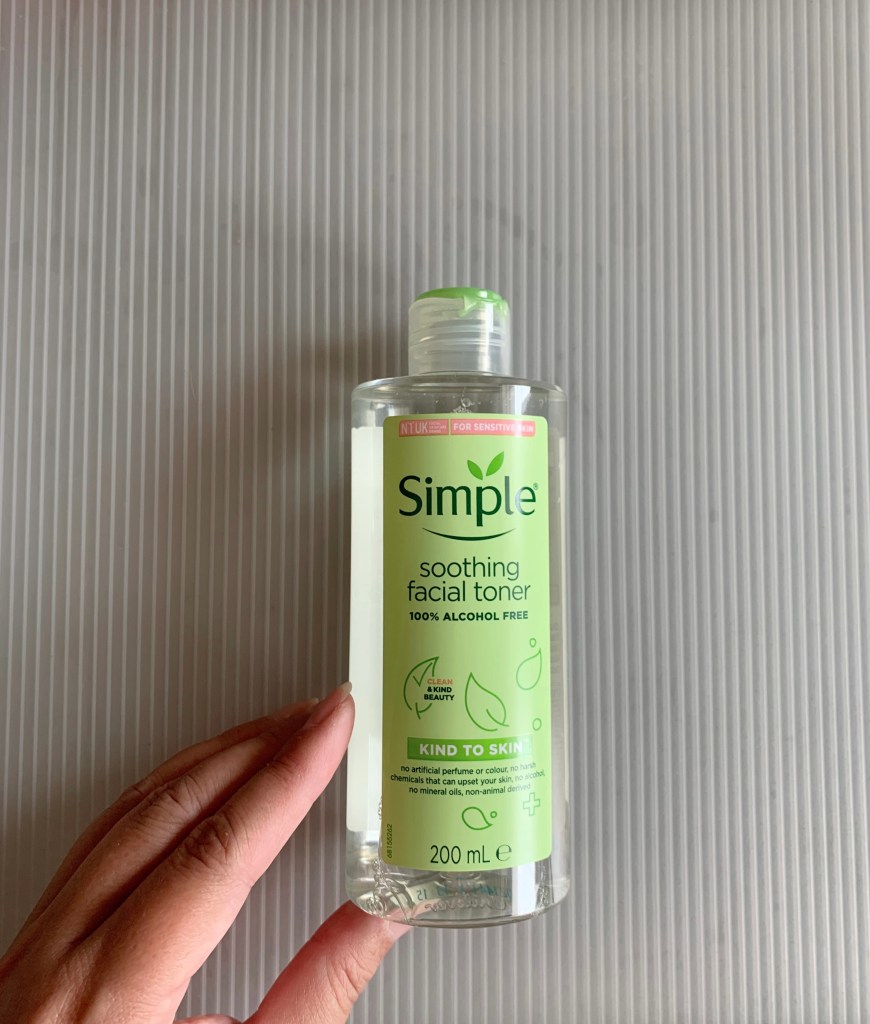
SIMPLE KIND TO SKIN SOOTHING FACIAL TONER It went MIA for awhile in our local drugstores, but it’s back. Turned out, they changed the old packaging with a new one. An affordable, no-fuss daily toner, with good ingredients like Allantoin, Panthenol, Niacinamide and Chamomile extract. Priced at IDR 99K for a 200ml (and they’re on promos most of the time), it is safe for Fungal Acne and 100% alcohol free.
HIMALAYA HERBALS PURIFYING NEEM FACE WASH Combination of Neem and Turmeric in this affordable face wash are really interesting. Neem to combat acne and turmeric (which is bright orange in real) helps to soothe skin. Even though it’s fungal-acne safe, it does contain sulfate, some allergens and fragrance. Priced at IDR 40K for 100ml.
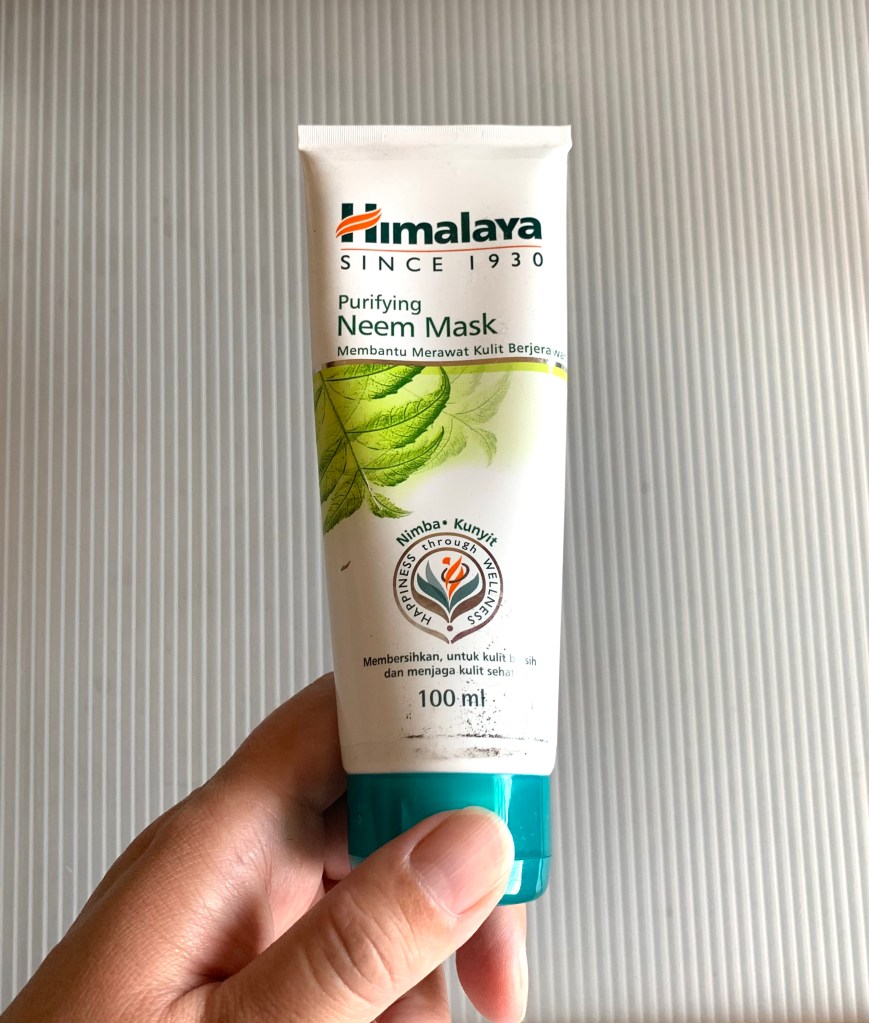
HIMALAYA HERBALS PURIFYING NEEM MASK It has been a while for me not to use wash-off mask in my skincare routine. However, this fungal-acne safe mask is equally affordable, so I can’t resist to try it. Anyway, it still contains sulfate, fragrance and paraben. Priced at IDR 40K for 100ml. I’ve posted a detailed review about this already, please click here to read.
Got a few DM on my Instagram about Retinol, so I guess I’ll answer them here while also giving you update on my skin condition.
Disclaimer: I’m not a dermatologist, so these are totally based on my own personal experience.
WHEN I STARTED IN AUGUST 2020, AND CLEARED UP IN OCTOBER 2020
Q: If I successfully cleared up acne after using Retinol, shall I continue using it or stop? A: Based on my own experience, I tried to reduce the usage to once every night. So on non-Retinol night, I’ll use other actives serums like AHA or BHA (depends on my skin’s condition).
MY SKIN CONDITION (FEBRUARY 2021)
Q: Will the acne be back even after you manage to clear them out using Retinol? A: As long as I’m alive, I guess I’d still have acne hanging around. My mom used to tell me that after I passed my teenage years, my acne would clear up by themselves. Well, they didn’t. Hormonal acne on chin area are the worst for me, so they’d pop out uninvited, no matter how clean I cleansed or how diligent I am with my routine.
Q: What’s the correct order to apply Retinol on one’s skincare routine? A: First thing first, use it at your night time skincare routine. Mine would be: double cleanse, hydrating toner, Niacinamide serum (just because it works well with Retinol), moisturiser then Retinol. If you’ve been following me, you’d probably know that I use two types of Retinol, Adapalene as base and Retinoic Acid as spot treatment. Please don’t apply them on their own, at least you can do is to mix with your moisturiser after cleansing.
Q: How about the skincare routine for morning, after using Retinol? A: Best that you can do is to treat your skin gently in the morning. Cleanse with gentle cleanser, use hydrating toner, moisturiser and never forget your sunscreen (even if you are not out and about like me).
Q: What type of Retinol are you using now? A: Evalen Adapalene Cream 0.1% and Vitacid 0.05% Retinoic Acid Cream. Adapalene went first for the whole face, then Retinoic Acid as spot treatment (on acne and acne marks). Both are local products, so they’re affordable.
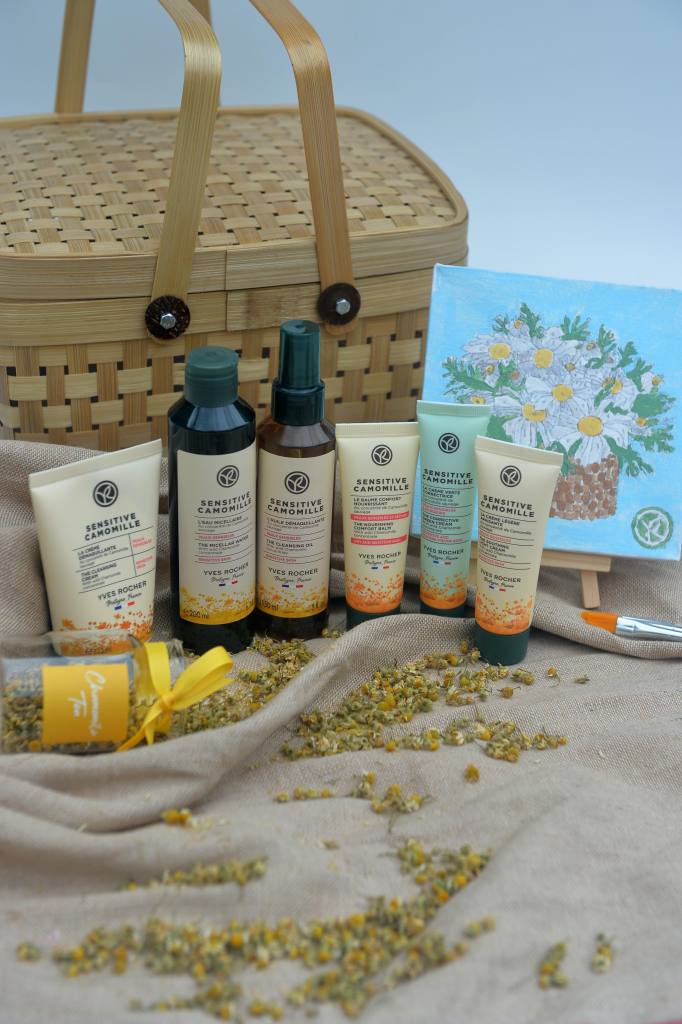
If you’re familiar with their previous Chamomile line, Pure Calmille, this is the new version. A range of skincare for sensitive skin, with wild chamomile cultivated in their own La Gacilly organic fields. Even though it’s dedicated for sensitive skin, actually all skin types can use this range, especially when our skin reacted to certain stuffs.
You see, our skin condition might change due to climate, pollution, harsh products and hormonal. These things might also affect the skin’s barrier, thus make our skin reactive. Some might experienced itchiness, redness or tightness, basically all the feeling of discomfort. It’s great to know that this range will not only soothe skin when shitty things happened, but they will also strengthen our skin.
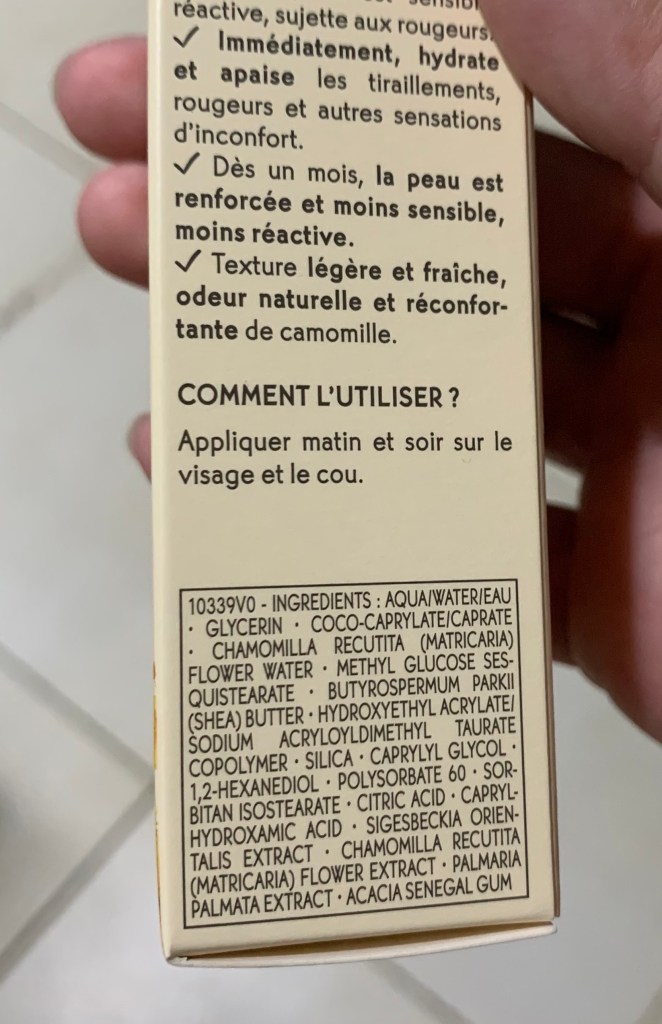
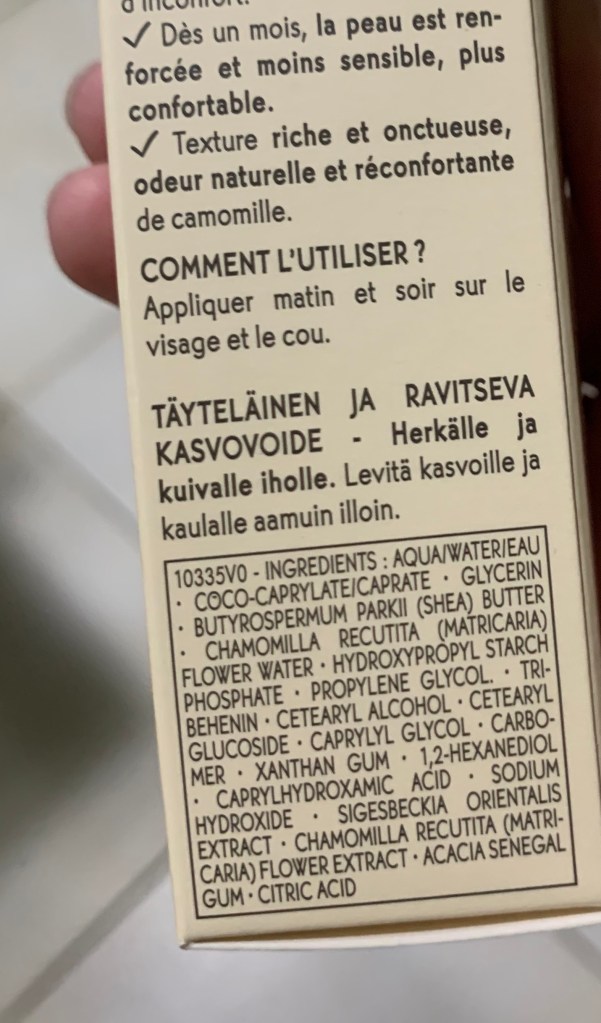
Being Yves Rocher, the packaging in this range is 100% recyclable plastic, and there are no artificial scent and colouring used. Yes, the cardboard is also recyclable. They didn’t waste anything from the chamomile, the flowers, leaves and stems are used to create these products. They use 98% natural ingredients, with 0% mineral oil, silicone, alcohol and fragrance.
OK, let’s start with the review!
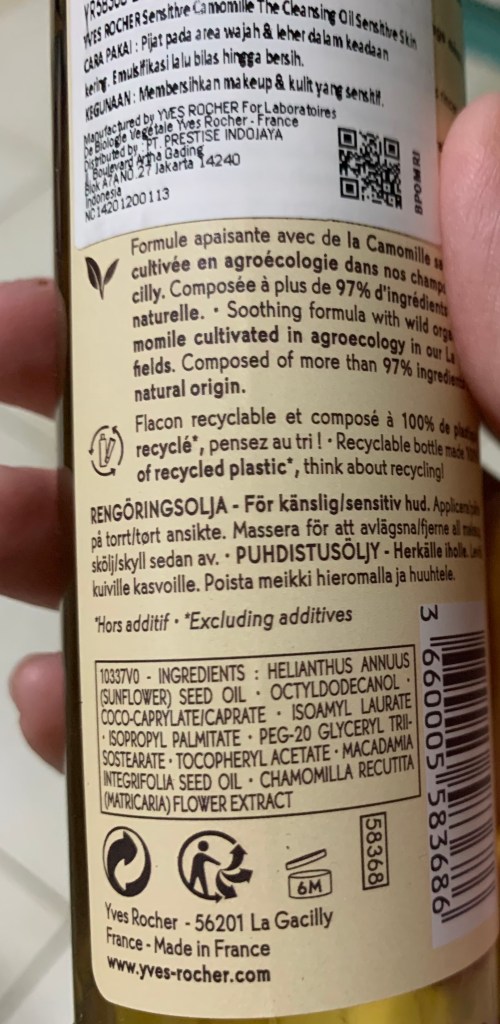
THE CLEANSING OIL
Y’all know how I love to double cleanse, even though I’m not using makeup on daily basis, but I’m still using sunscreen. Somehow, I just feel cleaner when I use cleansing oil before moving on to second cleanser. The first ingredient on the list is Sunflower Seed Oil, a non-comedogenic carrier oil and known to be less irritating. There’s a hint of relaxing Chamomile scent, it glides easily and emulsified like most cleansing oils that I’ve tried. No slippery after-feel which I like, and it rinses easily.
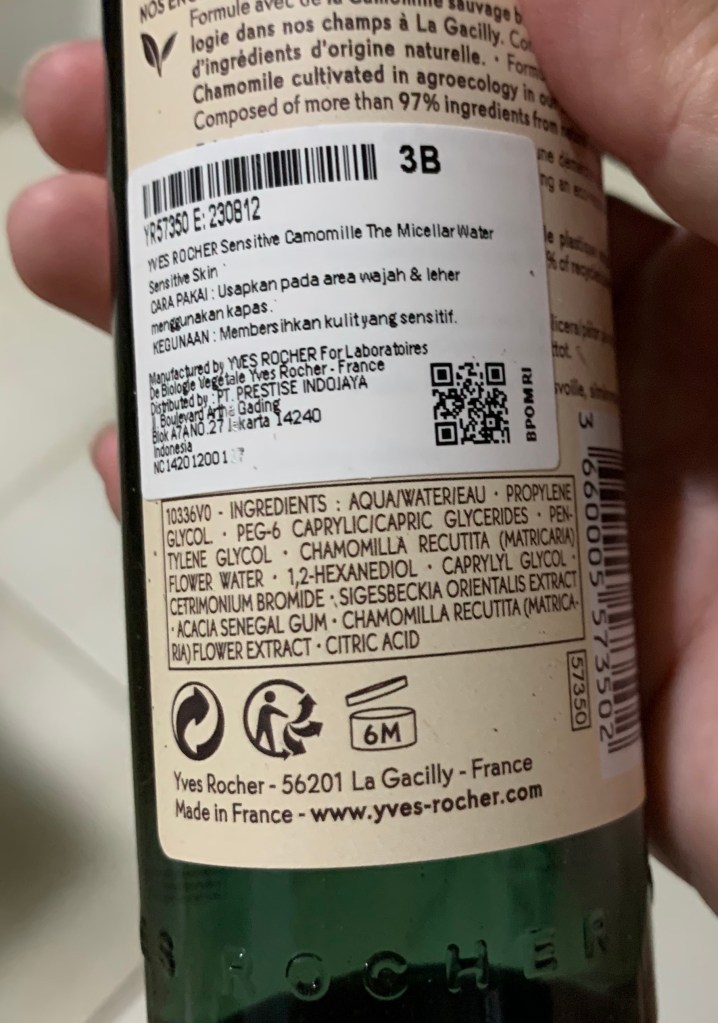
THE MICELLAR WATER
Usually I use Micellar Water in the morning to wipe off all the night time skincare products on my face. However this is my personal preference. For fungal acne warrior, you’d be glad to know that based on the ingredients list on the packaging, it’s safe for fungal acne.
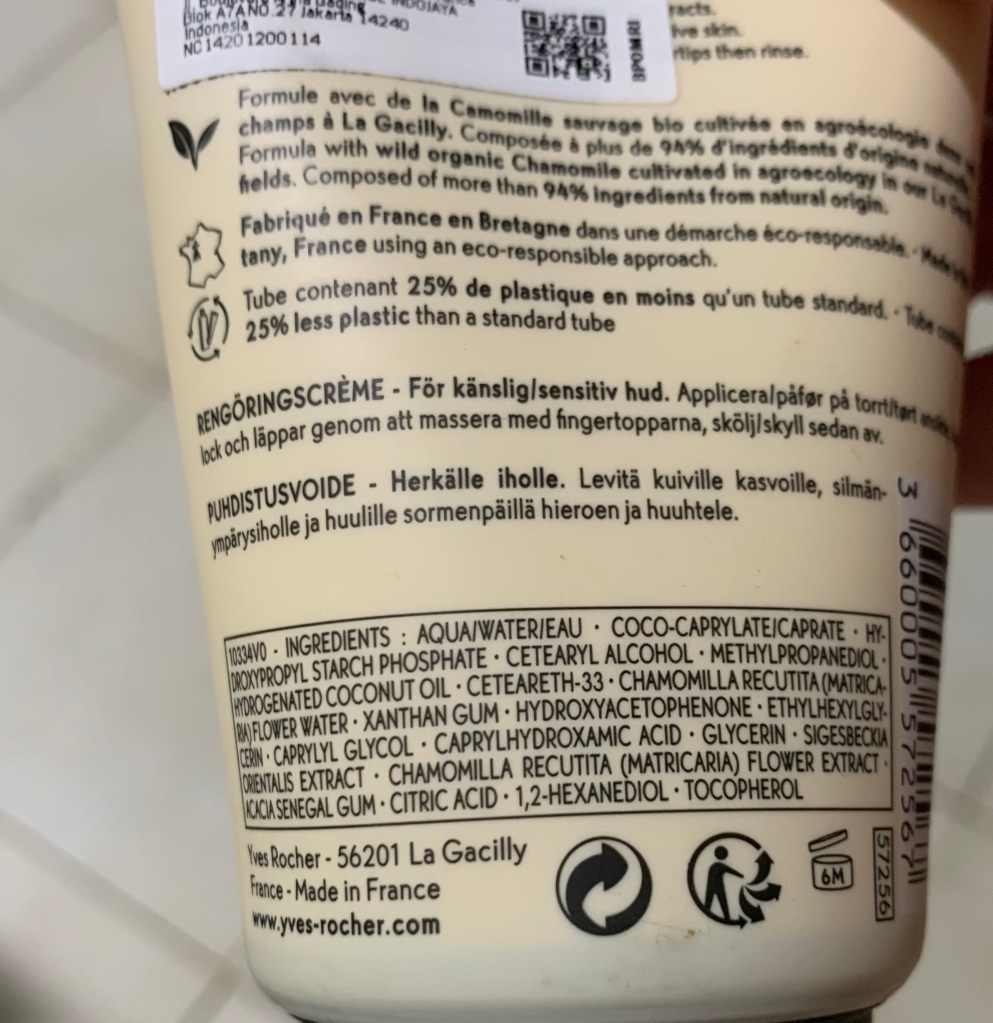
THE CLEANSING CREAM
Now, this is interesting. It’s not a foamy cleanser, mind you. But I believe this is great for dry cleansing technique. Apply on dry skin (I prefer to use this in the morning after Micellar Water), and massage for one minute, then rinse off with warm water. I always recommend to rinse cleanser with warm water to minimise the slippery after-feel.
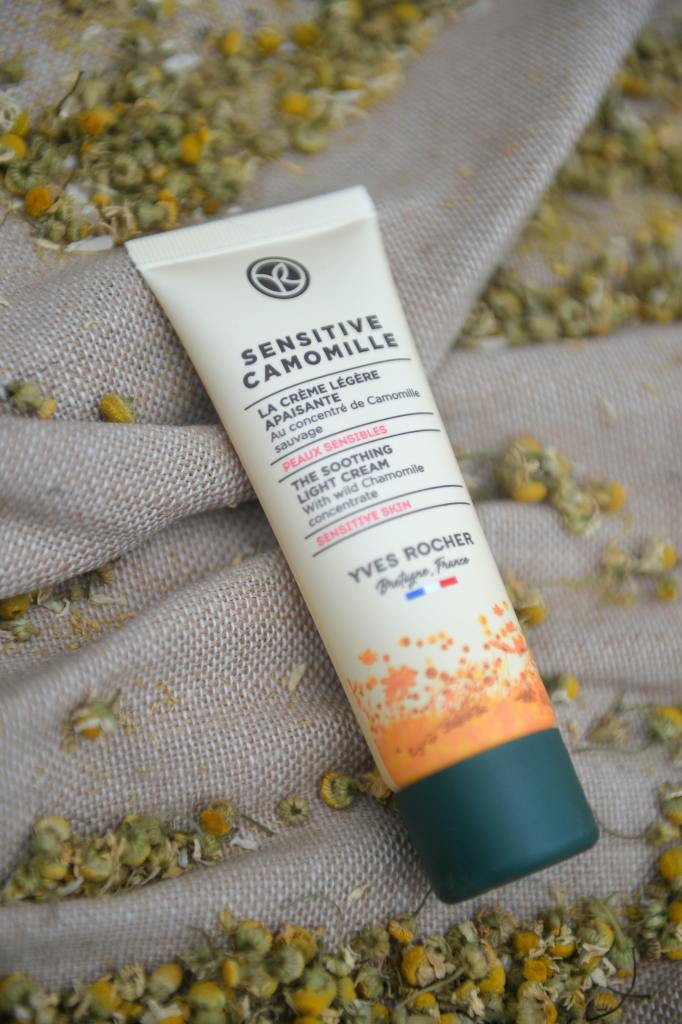
THE SOOTHING LIGHT CREAM
It’s a moisturizer in a light texture with a hint of natural chamomile flowers’ fragrance. I thought it’s going to be more like a light lotion, but once I spread it, it’s more like a water-cream (disappear without a trace). Great for normal to oily skin due to its’ texture and absorb power. However, it’s not giving you that dead matte finish (if you’re expecting one).
THE NOURISHING COMFORT BALM
If you have normal to dry skin, you’ll love this moisturizer. They named this as a balm, but I did find the texture more like a thicker lotion. And I’m surprised how easy it absorbed on dry skin. It feels comfortable on dry skin and also gives a dewy effect.
THE CORRECTIVE GREEN CREAM
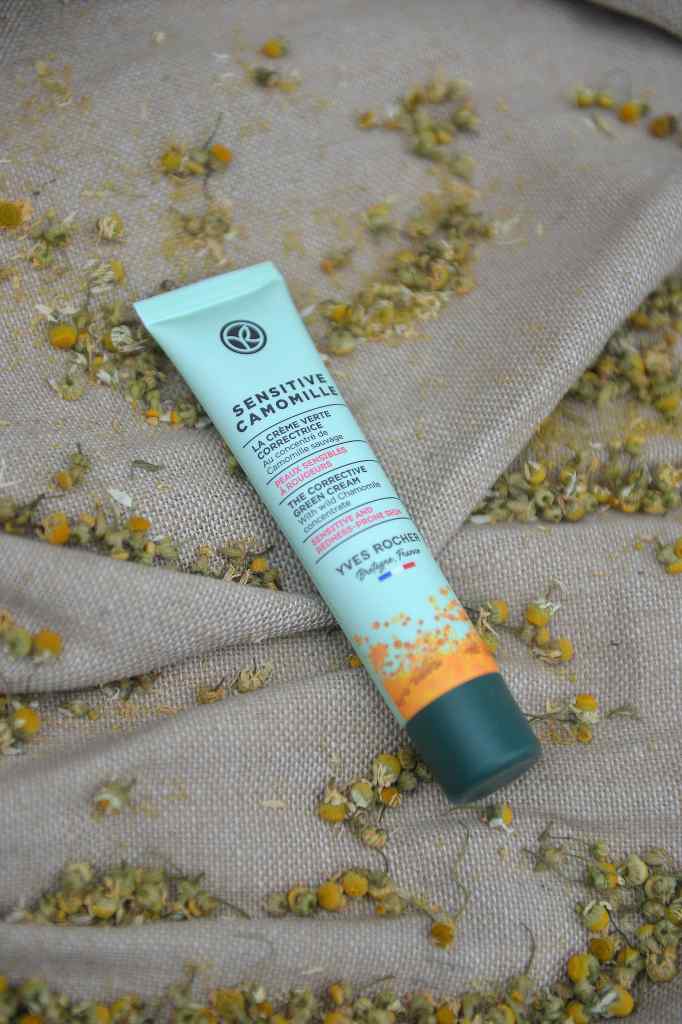
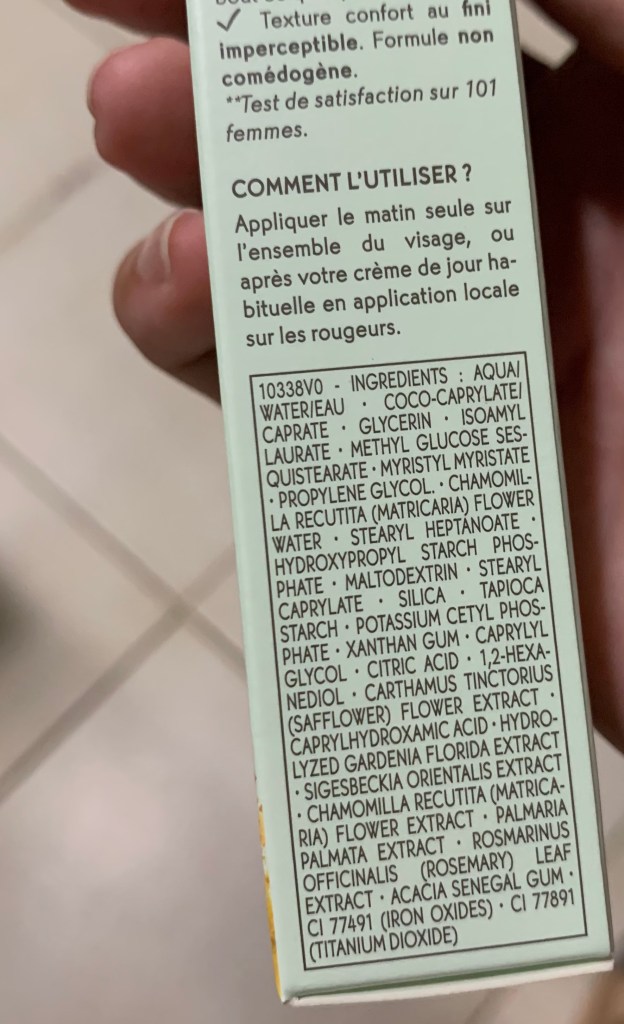
Another interesting product from this range. It is green in color, but they don’t use artificial color. Instead they used chlorophyll from Chamomile’s stems. This cream is like a tone-up cream, but instead of brightening the whole face, this will reduce and correct redness. I apply this on red spots only (usually around my nose and chin) in the morning on top of moisturizer and before sunscreen. I believe from all the products in this range, this one is more scented than the others.
Yeay, it has been 12 weeks since my Adapalene journey. And I guess pictures will speak a thousand words, so here’s my before-after pics.
BYE BYE OIL BUMPS
Please note that I do use Retinoic Acid on top of Adapalene for 12 weeks.
CAN’T LIVE WITHOUT THESE
I just want to say that I’m glad that these prescription strength creams really worked on my hormonal acnes and closed comedones. Yes, the first 5 weeks was a nightmare and I almost gave up. But this pandemic really helped me, because all of the bad purging were hidden underneath mask. And FYI, based on everything that I read or watch in YT, Adapalene needs max 12 weeks to show its’ result. Mine already got better on week 8, fortunately. No more bumps and no more big zits. Big improvement shows on the chin area, while these creams won’t work on milia and sebaceous filaments that I have on my left cheek (might need another Cauter session after the pandemic is over-God knows when).
DESPERATELY NEED CAUTER
Am I still going to use both creams? Yes, to maintain my skin condition, but I’ll make sure I minimized their doses or use both every other day. Should you try it? Please check to your dermatologist first, because both are prescription-strength products and not everybody will have the same reactions and results. GOOD LUCK!
Great, it’s October. It has been two months since I was on adapalene & retinoic acid treatment. Scroll down for the updates.
I almost gave up on week 5. But somehow I kept going (just like my life during this darn pandemic).
Well, week 8 was great.
No more big angry red zits, no more pustules. My skin texture are way better, no more small bumps. Another homework for me is to get rid of all the leftover red scars. Wish me luck, folks.
One more month to go. I’m more than halfway to go, so I can do this! Will surely update on the final month of my Adapalene journey. Meanwhile you can check my IG stories highlight for weekly updates.
It’s almost a month (if you want to see my weekly update, please go to my IG stories highlight) and to think of it, I’m not even halfway there yet (sigh).
So, I can definitely tell you that Adapalene really helped my problem with oil plugs a lot. I had severe bumps on my left cheek and chin only, so I only apply the cream there instead of the whole face. First, it really help to push the existing oil plugs out, either they became blackheads or pustules. Then, it helps to stop the new oil plugs from forming. Of course when there are no more new oil plugs, my skin felt smoother. If I rubbed it now, I can feel lesser bumps.
On week 2, I decided to add Retinoic Acid as spot treatment. Under the name Vitacid (another local brand), it’s another prescription-strength topical skin treatment. From my point of view, it speeds up the progress (gunks up to surface, I mean). But I warn you, this is really potent, so please consult with your derm if you want to try.
I can’t wait until month 3! Anyway, here are my current skin condition.
LEFT CHEEK IS GETTING BETTER WITH LESS PURGING & IRRITATIONNO MORE SMALL BUMPS REAPPEARED, BUT THE EXISTING ONES TURNED EITHER INTO BLACKHEADS OR BIG PUSTULES
Wait, WTH is active? It is the ingredient in a product that addresses our skin concern. It has been proven in a lab by research to change our skin in each of its’ own way.
Check the ingredients’ list on your skincare products, and you might found familiar actives such as Vitamins (A, C & E are the most common ones), Niacinamide, Hyaluronic Acid, AHA, BHA, and Benzoyl Peroxide.
Based on my experience, I’d probably recommend not to use any actives if your fungal acne is still flaring up. The simpler your skincare routine is the better. But, if you decided to add one to your regimen, based on my own personal experiences, I’d recommend these:
MY GO-TO GLYCOLIC ACID
EXFOLIATING ACIDS Lactic Acid, Glycolic Acid & Salicylic Acid. Lactic comes from lactobacillus which you might suddenly think of yoghurt. Well, this specific active might help to control the production of the yeast. Glycolic is a type of AHA (same like Lactic) that’s derived from sugar cane. Salicylic Acid is a BHA, known for reducing acne & keeping pores clear. You have to try which one is the best for your skin, though.
MY GO-TO HYALURONIC ACID
HYALURONIC ACID Also known as hyaluronan, it’s actually a substance that can also be found in our body and naturally produced by our body. It helps to hold water and keep our skin hydrated and plump.
MY COLLECTION OF NIACINAMIDE
NIACINAMIDE It is a water soluble derivative of vitamin B3, that help to visibly minimize enlarge pores, improve uneven skin tone and strengthen a weakened surface.
TIPS:
The downside of using active ingredients is the risk of potential adverse reactions, so it’s recommended to start with lowest concentration levels of actives.
Even though some actives are usually compatible with others, like Niacinamide with AHA, BHA or Vitamin C, better to go solo. Yes, use one active at a time due to FA attack.
Stick to the rules on when to apply each of them (day or night or twice in a day), do not go overboard.
Wow, what a cool word invention during this crazy time. Mask + Acne = Maskne. OK, so what can we do about it?
Fortunately, I don’t have this problem myself. I only went out four times since March 2020, just to have meetings for an hour or so. Other than that, I did all my things online. Shop online, groceries online and food delivery online. And I only spent like an hour wearing a mask, so yeah…I don’t have maskne, but I do have regular acne showing up during this pandemic.
But I can imagine those who have to wear mask all day, especially where I live here in Jakarta, Indonesia. The sun is blasting, it’s super hot and humid out there. Mask is not just suffocating us in terms of breathing, but also our skin. It’s like sweat + oil + bacteria trapped for hours on that mask-covered area.
Though I know we can’t get away with it (until God knows when), here are some skincare tips for maskne:
Change your mask whenever it gets moist. Personally, I prefer disposable mask, because cloth ones need to be laundered using hot water to keep it effective (and I don’t have the luxury of washing machine with hot water, so nevermind). So far, I use this KF94 mask that I bought online (not cheap because it’s imported from Korea), but it’s the most fitted and comfortable for me.
Use gentler skincare options. Use gentler cleanser, hydrating (instead of exfoliating) toner and avoid using harsh exfoliants (avoid scrubs, please).
Choose more soothing/calming ingredients and avoid actives if possible. Hyaluronic Acid is my best bet, but some people might love Aloe. Opt for LHA instead of AHA and BHA, it’s a popular alternative with less risk of skin irritation.
Texture-wise, opt for gel than lotion or cream.
Wait for all of your skincare to absorb first before putting on the mask. Do not rush, make sure they dry completely before you cover your skin with mask.
Let your skin breathe while it can at home. Avoid using sheet mask that might irritate them more.
Bid adieu to your favorite foundation. Why bother adding another layer that will suffocate your skin further? Opt for concealer to cover any spots, or use tinted moisturizer instead.
Summer or not, outdoor or not, sunscreen is a must. Even though there are some contradictions out there about how the spray one is not as effective as the lotion one, it’s all about personal preferences.
However, I do keep sunscreen spray for touch up purpose, as it’s more practical, especially on this pandemic situation when dirty hands are our biggest enemy. With sunscreen spray, we can just spray over makeup and no need to blot, let it dry by itself. They won’t mess up our makeup. Just make sure to close your eyes and don’t breathe in while doing so.
And by the end of the day, please take your sunscreen properly with your choice of first cleanser (mine will be cleansing oil). Please don’t just wash them with soap and water to avoid clogged pores.
OK, now on with the review.
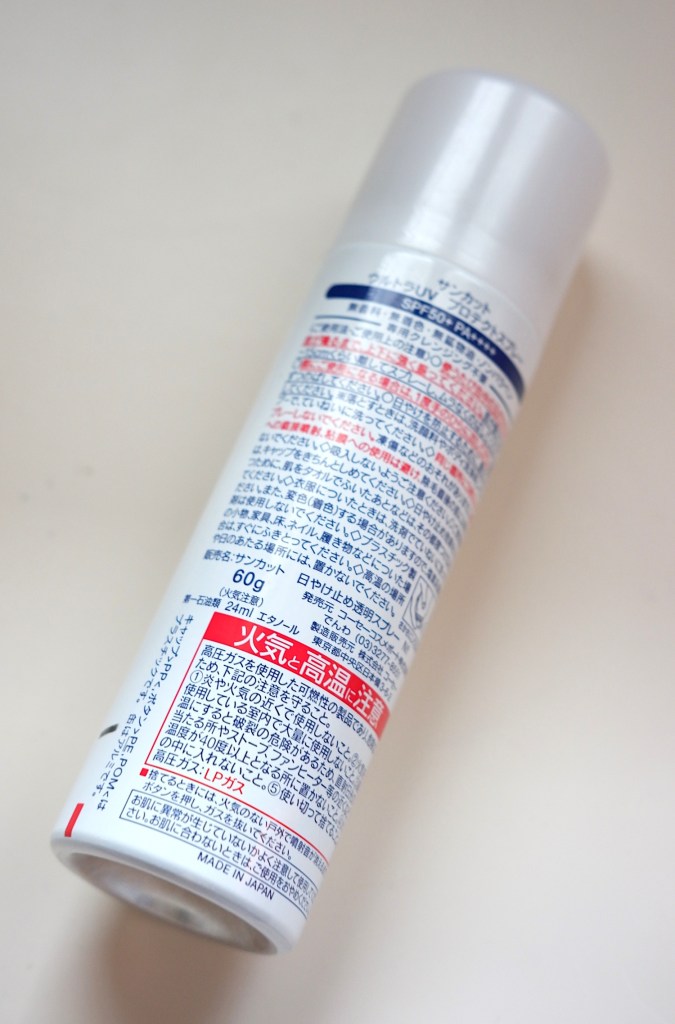
KOSE COSMEPORT SUNCUT UV PROTECT SPRAY SPF50+PA++++
It’s a Japanese brand. Claim: maximum UV protection for complete full-body sun protection. Protect skin and hair from UV damage. Plus points:
waterproof
comes off with soap
can spray upside down
can be used on hair and scalp
transparent, no mineral oil and paraben free
fragrance-free
How to use: shake the bottle vigorously four to five times and spray evenly at a distance of 10-15cm. Price: IDR255K for 60gr
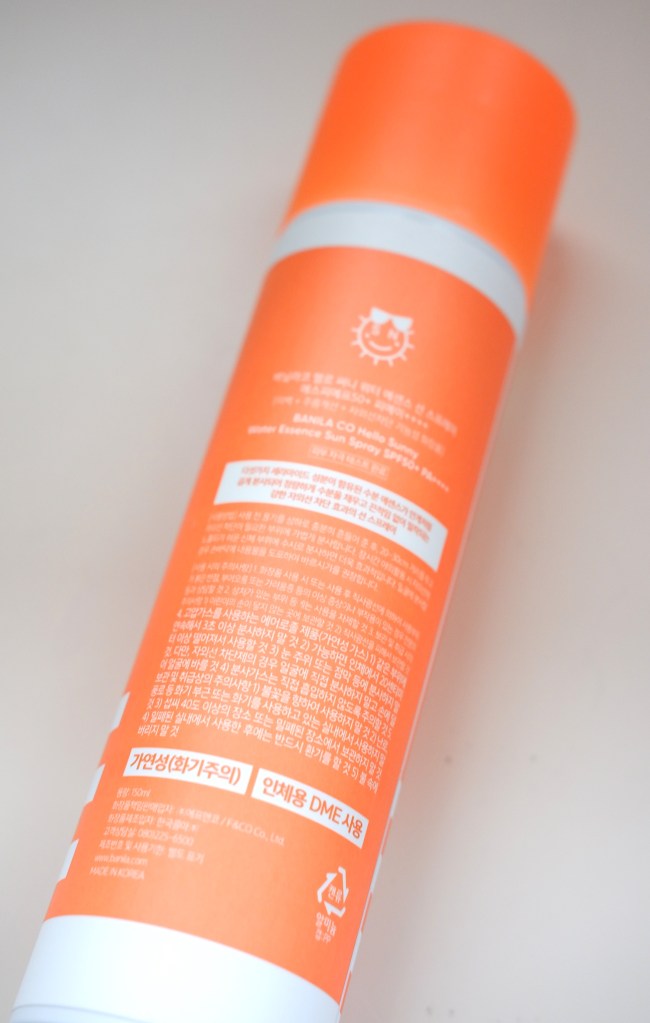
BANILA CO HELLO SUNNY WATER ESSENCE SUN SPRAY SPF50+PA++++
It’s a SoKo brand. Claim: shield & hydrates, enriched with ceramides to impart moisture & ensure sunscreen sticks effectively on skin. Plus points:
also infused with birch tree & spirulina extracts to help nourish & soothe stressed skin.
can also be used on body.
lightly fragranced.
How to use: after fully shake the bottle, spray for 3 seconds from a distance of 20cm on skin areas exposed to UV rays. Price IDR370K for 150ml
MY THOUGHTS:
First of all, (unfortunately) both of them are not Fungal-Acne safe. But since they’re sitting on top of everything, I don’t mind at all and both didn’t trigger my FA either.
Both come in an aluminium bottle, KOSE has small ball inside for easier shaking purpose. Obviously BANILA CO is more attractive in terms of packaging, just look at that bright orange shade.
Both also contain alcohol, which I believe to make them dry faster. But again, I don’t mind at all and they didn’t irritate or dry out my skin.
In fact, speaking of dryness, BANILA CO is faster to dry than KOSE.
But, in term of shine & glow, KOSE gives more shiny effect on skin (great for dry skin). For oilier skin, I think BANILA CO will work greatly.















 shintarosvita
You must be logged in to post a comment.