HOW TO GET HEALTHY GLOWING SKIN WITHOUT MAKEUP

Use antioxidants. There you have it, thanks for reading this post. Just kidding! 

Don’t get me wrong, I do love makeup, but I love my skin more. No makeup will look good on blah skin, so I swear by this jargon: skin first, makeup later.

ME-BEFORE AND AFTER

Trust me, our skin has the ability to glow naturally without any help from highlighter and such. It is up to you how to achieve it. But let me tell you one thing that I feel after hundreds of stay at home days, my skin glows like never before. Because I rarely went out, and if I did I’d wear mask, my skin is sort of free from environmental damages like pollution, sun, smoke and stress. 

Here are some of my tried and tested antioxidants products:
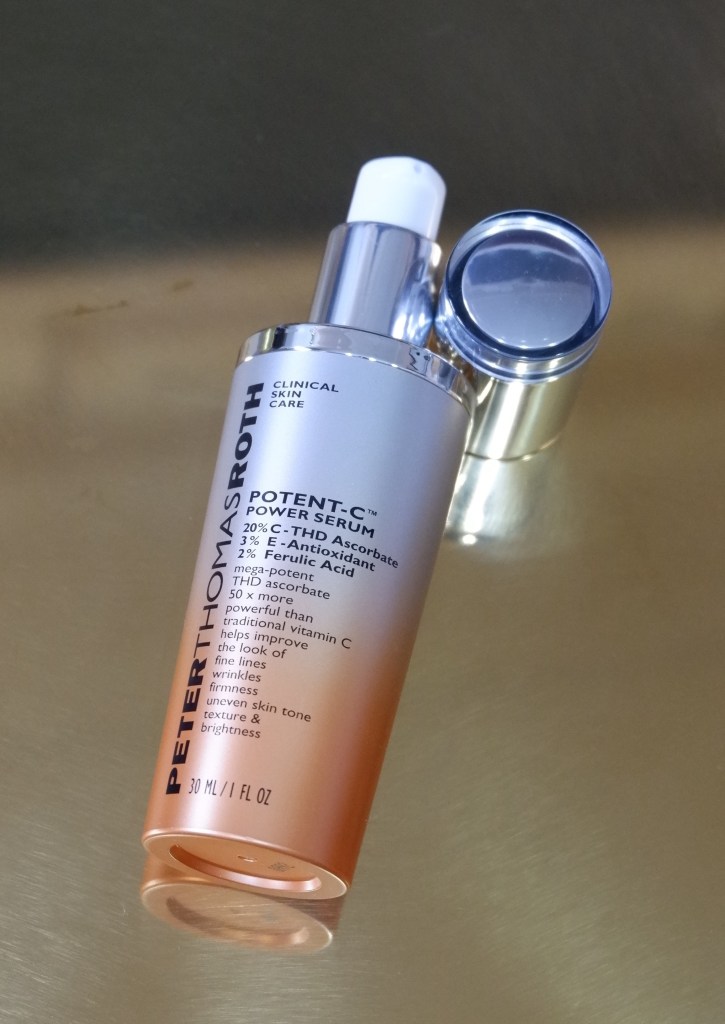
Vitamin C, the superhero of antioxidant. If you have sensitive skin, avoid L-Ascorbic Acid, and opt for the less irritated vitamin C, THD Ascorbate (Tetrahexydecyl Ascorbate).
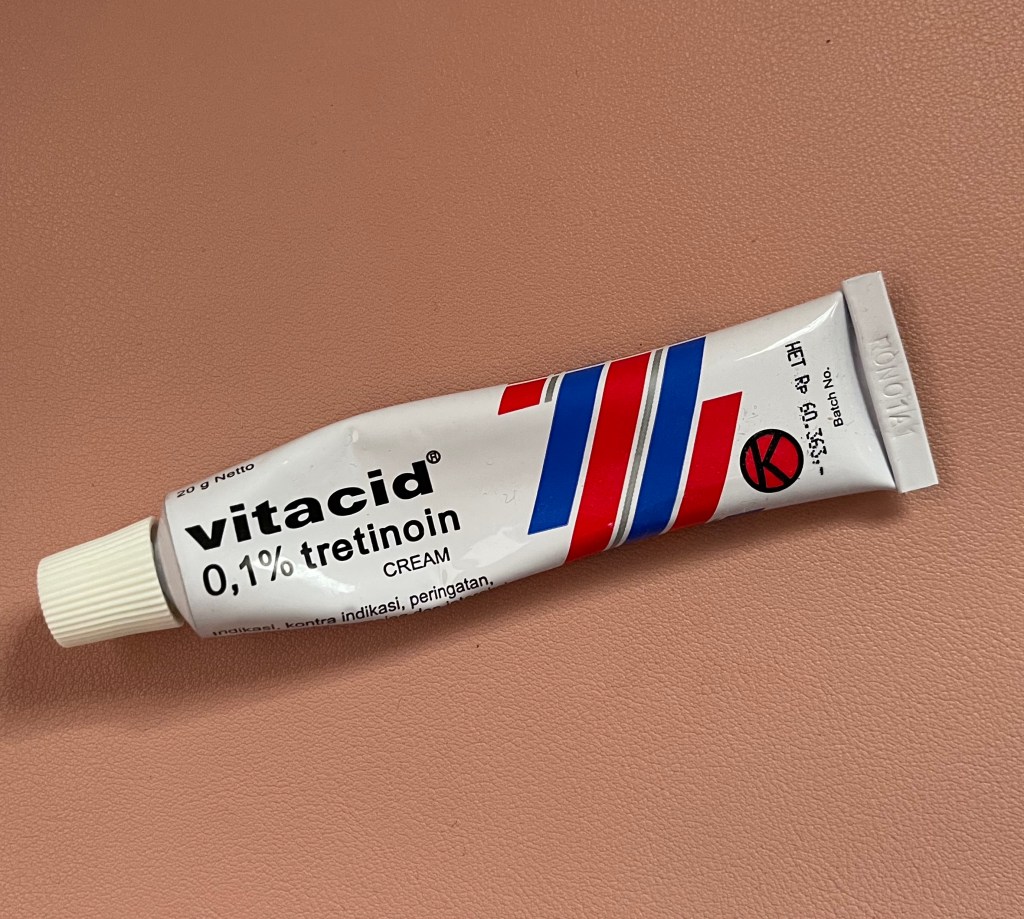
Retinoid, only for the brave (LOL). It’s my HG, and the truest meaning of ‘beauty is pain’. If you dare to purge and face that retinol uglies, for the sake of glowing and healthy skin 8 weeks ahead, you won’t regret it (seriously).

Niacinamide, great if you have blemish prone skin. Just make sure it’s 5% or below to avoid any irritation.

Hyaluronic Acid, which is not only for hydrating, people! It helps to prevent free radical damage and stimulates wound healing.

PHOTOS: SHINTA ROSVITA

VITAMIN C: LOVE OR LOATHE?

If you’ve been reading my blog posts and follow me on IG, you’ll notice one thing missing from my skincare regime. It’s Vitamin C.

First, I don’t enjoy Vitamin C serums turn brown due to oxidation. To think about my hard-earned money, and it turned bad easily, I don’t think so. And that oxidation process is obviously a destructive process, so if you put that on your skin, it will cause further skin damage. Ouch!

Second, Vitamin C is a great anti-oxidant, but it’s possible to become a pro-oxidant when in contact with metal/iron. Unfortunately nowadays, iron is a significant pollutant in the air and water (according to the FDA), and that means our skin comes in contact with iron every day. So, if we apply Vitamin C and our skin comes in contact with the air, it was like inviting problems to occur.

Last but not least, Vitamin C is one tough cookie to be mixed with others in the skincare ingredients list. It should never mix with AHA, BHA, Retinol, and Benzoyl Peroxide. If you’re a fan of layering skincare like me, better watch out and read ingredients list very carefully.

Moral of this post, my skin can’t take a topical Vitamin C, especially in concentrated serum format. It broke me out, caused redness and it tingled badly. So I did some research online, and I did find some interesting facts. Apparently, antioxidants in skincare are BAD when they are in concentrated form and disrupt the body’s natural ability to fight off bacteria.

TIPS & TRICKS:

  • Use Vitamin C in other format than serum for lighter percentage. Personally I use GOOD MOLECULES NIACINAMIDE BRIGHTENING TONER. It contains 2-O-Ethyl Ascorbic Acid (number 6 on the ingredients’ list), a quite stable form of Vitamin C
  • Try the serum as a dark spot treatment only. Resist the temptation to apply it all over the face. I had great success with GOODAL GREEN TANGERINE VITA C DARK SPOT SERUM, that helps to reduce the appearance of dark spots.

PHOTOS: SHINTA ROSVITA